
Peptide Sciences Closed: How to Vet a Replacement Research Peptide Supplier
Peptide Sciences, long one of the best-known research peptide suppliers in the US, stopped selling on March 6, 2026, and replaced its website with a short notice that it had ended operations. Labs that relied on it now need a new source, and a new supplier means new lots that have to be documented and verified. This guide sets out what to keep from your old orders, how to spot sites trading on the old name, and what to check before you order from anyone else.
What happened to Peptide Sciences?
On March 6, 2026, Peptide Sciences stopped selling research products. Its website was replaced with a brief notice saying the company had voluntarily ended operations; no reason, transition plan or successor was announced. As of October 26, 2026, the company's old product and article addresses redirect to that notice, so links to its pages around the web no longer lead to any product, certificate or article.
We make no claim about why it closed. What matters for a lab is practical: an established source is gone, past documentation is no longer available from the supplier, and new orders have to come from somewhere else.
What to keep from your past orders
If your work used Peptide Sciences material, your own records are now the only record. Before anything else, gather what you have for each compound still in use.
- Certificates of analysis for every lot you received, saved as files rather than links to the old site.
- Lot numbers as printed on the vials, and the dates each lot was received, opened and used.
- The purity, identity (mass) and, where reported, net peptide content stated on each certificate: these are the figures a new supplier's certificate will be compared with.
- Any of your own analytical results, such as in-house HPLC or mass spectrometry of incoming material.
Be wary of sites using the old name
When a well-known name disappears, lookalike sites and listings often appear to capture its search traffic. The company itself announced that it had stopped selling, so a site still taking orders under that name deserves close scrutiny: check the domain, check who operates it, and ask which independent laboratory tested the lot you would receive.
Regulatory laboratories have documented a steady flow of counterfeit and illegal peptide preparations, including products whose contents did not match their labels1,2. That is the baseline risk with any unfamiliar source, and it is higher when a seller trades on a name it may not own.
How to vet a replacement supplier
The questions are the same ones that should be asked of any supplier, but a forced switch is the moment to ask them all. The full checklist is in how to choose a research peptide supplier; the essentials are below.
| What to check | Why it matters |
|---|---|
| A certificate for the exact lot you will receive, published before you order | A generic or recycled certificate says nothing about the vial in your hands |
| Identity by mass spectrometry, with expected and observed mass | Confirms the peptide is what the label says, not a related sequence |
| Purity by HPLC, with the chromatogram | A bare percentage cannot be checked; the trace shows the impurity peaks |
| Net peptide content, where reported | Counter-ions and water mean a vial's powder is not all peptide |
| The testing laboratory named, so it can be contacted | Lets you confirm the certificate is genuine |
| Lot numbers on labels that match the certificates | Ties the document to the physical vial |
| Research-use-only terms and no human-use or dosing advice | Advice of that kind is a sign the seller is not operating as a research supplier |
| A reachable support contact and a written shipping and returns policy | You need someone to answer documentation questions |
Switching lots: compare before you rely on new material
Synthetic peptides carry process-related impurities, such as deletion and truncated sequences, that differ from one manufacturing route to another3. Two lots of the same compound from different suppliers can therefore both meet a purity specification and still not be identical. For work that depends on continuity, compare the new lot's certificate with your old records: the observed mass should match the expected mass, the purity should meet your specification, and the net content, where reported, should be in line with what you used before.
How to read a peptide COA explains each field on a certificate and the red flags to look for, including certificates that never change between lots and purity figures with no chromatogram.
Where to find specific compounds
If your work used any of these widely studied research peptides, each page below has a cited summary of the published research and the certificates for current lots: BPC-157, TB-500, GHK-Cu, KPV, CJC-1295 (no DAC), CJC-1295 (with DAC), Ipamorelin, Sermorelin, Tesamorelin, Semax, Selank, Epitalon, MOTS-c, NAD+, Thymosin Alpha-1, PT-141 and DSIP. The full range is in the shop.
How Peptides Only documents each lot
Every lot Peptides Only sells is tested by an independent laboratory before release, for identity by mass spectrometry and purity by HPLC. The certificate for each lot, with the laboratory's name and the test date, is published in the COA library before you buy, and the lot number on the vial matches it. Products are sold for laboratory research only, under the research use policy, and ship from the USA.
Frequently asked questions
Is Peptide Sciences still open?
No. Peptide Sciences stopped selling research products on March 6, 2026, and its website shows only a closure notice. As of October 26, 2026 we are not aware of any announcement that it will reopen.
Are sites still selling under the Peptide Sciences name legitimate?
The company announced that it had stopped selling, so treat any site still taking orders under that name with caution. Check who operates it, and ask for a certificate for the exact lot you would receive from a laboratory you can contact.
Can I still download my old Peptide Sciences certificates?
Not from the closed site, which no longer serves product or document pages. Use the copies saved with your order records; if you only have links, check whether your own email or files hold the PDFs.
What should I compare when switching to a new supplier?
The new lot's identity (expected versus observed mass), its HPLC purity with the chromatogram, and the net peptide content where it is reported, against the certificates of the lots you used before. How to read a peptide COA walks through each field.
References
- Vanhee C, Janvier S, et al. Analysis of illegal peptide biopharmaceuticals frequently encountered by controlling agencies. Talanta. 2015;142:1-10. PubMed 26003685
- Janvier S, De Spiegeleer B, et al. Falsification of biotechnology drugs: current dangers and/or future disasters? J Pharm Biomed Anal. 2018;161:175-191. PubMed 30165334
- D'Hondt M, Bracke N, et al. Related impurities in peptide medicines. J Pharm Biomed Anal. 2014;101:2-30. PubMed 25044089
Compounds discussed
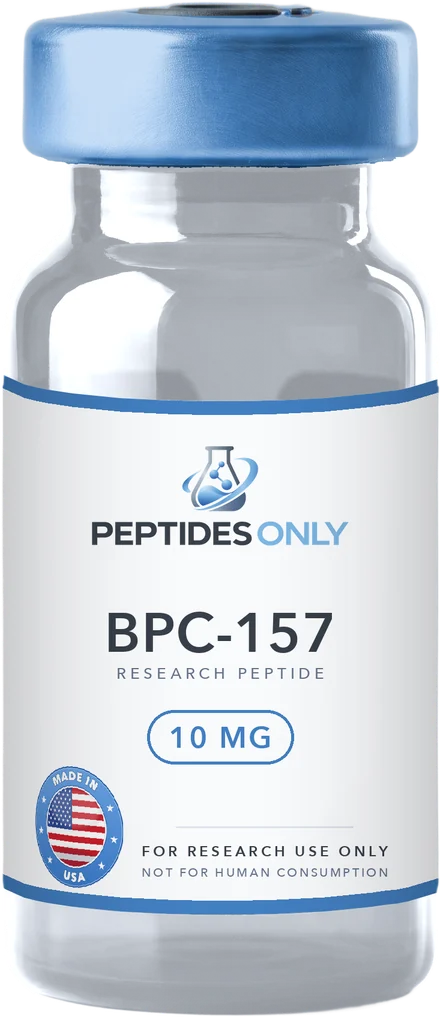
BPC-157
Stable gastric pentadecapeptide, a staple of tissue-repair research.
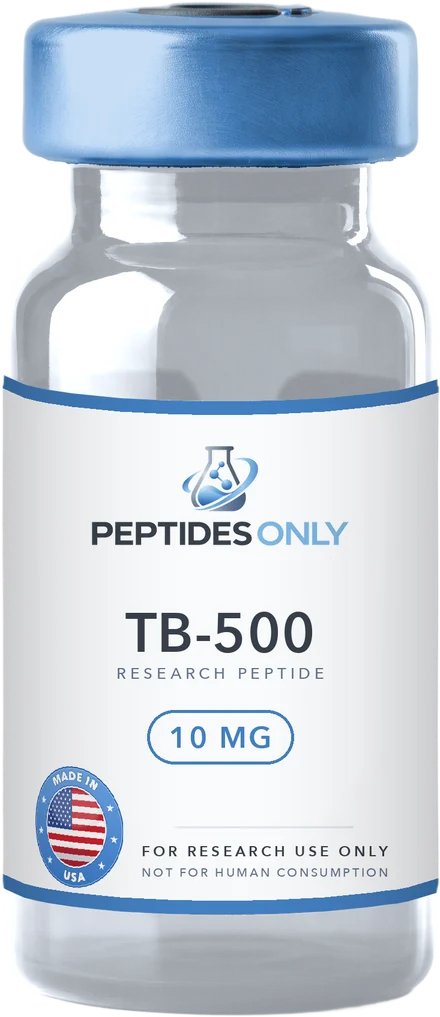
TB-500
Thymosin beta-4 fragment studied for cell migration and repair.
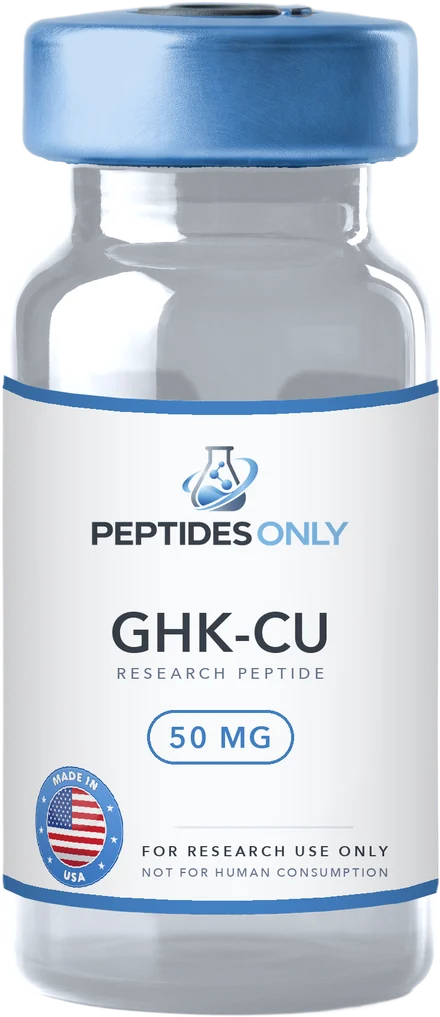
GHK-Cu
Copper-binding tripeptide used in collagen and skin-matrix research.
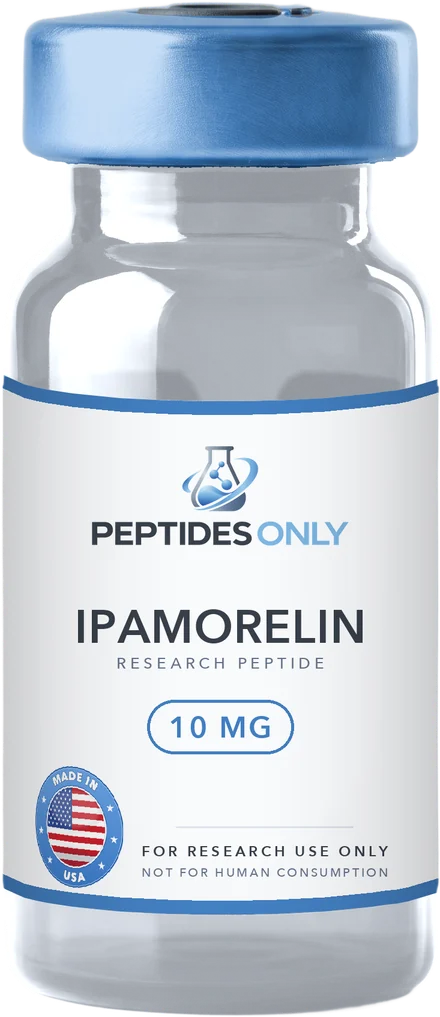
Ipamorelin
Selective ghrelin-receptor agonist for GH-release research.