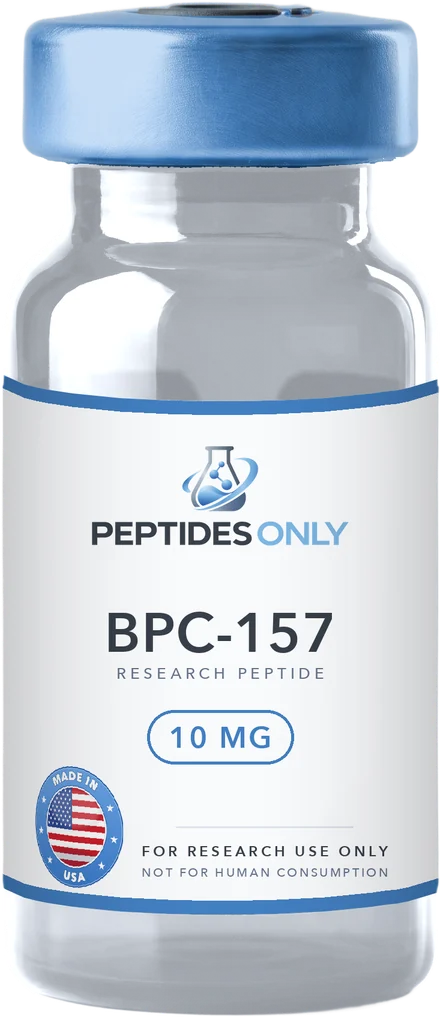
Lyophilized vial
BPC-157
Stable gastric pentadecapeptide, a staple of tissue-repair research.
$85.00
2 for $85 · $42.50/vial

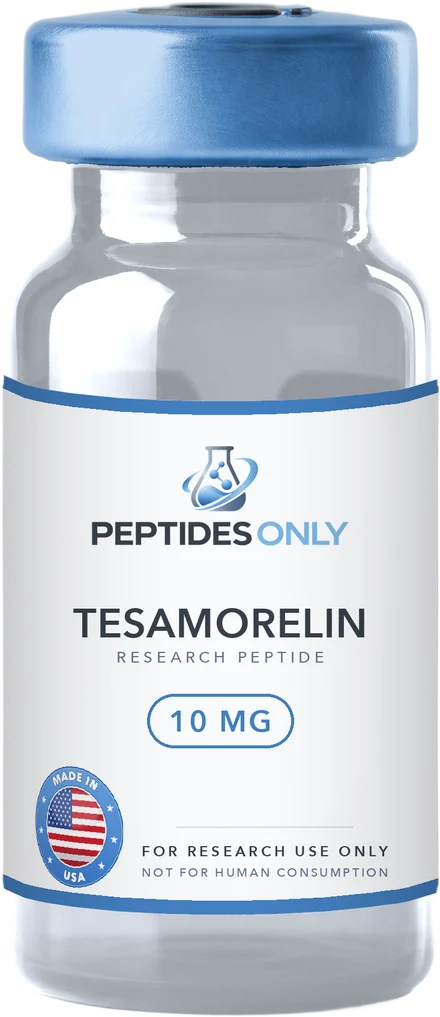
Stabilised GHRH analogue used in visceral-adiposity research.
Tesamorelin 10 mg
Your order ships with the certificate for its own lot. 1 earlier certificate for this size in the COA library.
Stabilised GHRH analogue used in visceral-adiposity research.
10 mg per vial, as a lyophilized powder in a sealed glass vial with a crimped cap. The lot number on the label matches the certificate of analysis in the COA library.
Store lyophilized powder frozen (−20 °C) or refrigerated, sealed and away from light. Once reconstituted, keep refrigerated (2–8 °C).
Handle in a laboratory setting using appropriate protective equipment. Consult the certificate of analysis and safety data for lot-specific information.
Tesamorelin is a synthetic 44-amino-acid analog of human growth hormone-releasing hormone (GHRH) with a trans-3-hexenoyl group attached to its N-terminal tyrosine, a change that protects it from enzymatic breakdown. It is the active ingredient of an FDA-approved medicine for reducing excess abdominal fat in adults with HIV-associated lipodystrophy, and one of the most closely studied GHRH analogs in visceral-fat, liver-fat and GH-axis research. The research-grade peptide sold here is a laboratory reagent, not that medicine.
Tesamorelin (development code TH9507) is built on the full 44-residue sequence of human GHRH, the hormone whose structure was first worked out in the early 1980s from a human pancreatic tumor that had caused acromegaly1. The only change is a trans-3-hexenoyl group on Tyr1. In non-clinical studies that modification made the peptide resistant to dipeptidyl aminopeptidase-IV (DPP-IV), slowed its degradation in rat, dog and human plasma, prolonged its elimination, and produced marked rises in growth hormone (GH) and insulin-like growth factor-1 (IGF-1) in pigs, rats and dogs2.
As a GHRH analog, tesamorelin prompts the pituitary to release endogenous GH rather than supplying GH itself; in the pivotal phase 3 trial, circulating IGF-1 rose by 81% with tesamorelin and fell by 5% with placebo3. That makes it a different tool from ghrelin-receptor agonists such as ipamorelin, which reach the same pituitary cells through a separate receptor. The two classes are compared in Ipamorelin vs Sermorelin vs Tesamorelin.
Tesamorelin is the active ingredient of Egrifta, first approved by the US Food and Drug Administration in 2010 and now marketed as Egrifta SV and Egrifta WR. The current label indicates it for the reduction of excess abdominal fat in HIV-infected adult patients with lipodystrophy, notes that long-term cardiovascular safety has not been established, and states that it is not indicated for weight-loss management.
That approval covers only the finished prescription medicine made and tested under its FDA application. Research-grade tesamorelin, including the material sold here, is a laboratory reagent: it is not a drug, it is not for human or veterinary use, and nothing on this page describes how it might be used in people.
The anchor study is the 2007 phase 3 trial by Falutz and colleagues in the New England Journal of Medicine. Among 412 people with HIV and abdominal fat accumulation randomized to tesamorelin or placebo for 26 weeks, visceral adipose tissue measured by CT fell by 15.2% with tesamorelin and rose by 5.0% with placebo; triglycerides and the total-to-HDL cholesterol ratio also fell, and glycemic measures did not differ between groups. More participants withdrew from the tesamorelin arm because of adverse events3.
A pooled analysis of two phase 3 trials with 806 participants reported a placebo-adjusted visceral-fat effect of about -15%, no significant change in abdominal fat beneath the skin, and maintenance of the visceral-fat reduction to week 52 in participants who continued4. A 2026 meta-analysis of five randomized trials reported reductions in visceral, trunk and hepatic fat, an increase in lean mass, and no significant change in fat beneath the skin or in BMI5.
Almost all human data on tesamorelin come from adults with HIV and central fat accumulation, so the findings do not automatically extend to other populations. Randomized, placebo-controlled phases lasted from 20 weeks to 12 months7,8, the cognitive results differ between populations8,9, and in dogs prolonged exposure to supraphysiological GH and IGF-1 was linked to reversible liver, kidney and blood findings2.
None of these studies used research-grade material, whose identity and purity have to be confirmed lot by lot. Every Peptides Only lot ships with a lot-matched certificate of analysis (HPLC purity and mass-spec identity) from an independent lab, published in the COA library.
Tesamorelin is the active ingredient of an FDA-approved prescription medicine, Egrifta, first approved in 2010 for reducing excess abdominal fat in HIV-infected adults with lipodystrophy. Research-grade tesamorelin is not that medicine and is not approved for any human use.
Both are GHRH analogs. Sermorelin is the 29-residue N-terminal fragment of GHRH, described as the shortest synthetic peptide with full GHRH activity10. Tesamorelin keeps all 44 residues and adds an N-terminal hexenoyl group that resists DPP-IV breakdown2.
In the 26-week phase 3 trial, IGF-1 rose by 81% in the tesamorelin group and fell by 5% with placebo3; the pooled phase 3 analysis also reported a significant IGF-1 increase versus placebo4.
Because visceral fat and liver fat travel together in HIV-associated metabolic disease, and randomized trials reported reductions in hepatic fat alongside visceral fat6,7. Long-term effects on liver histology remain unknown.
Like most lyophilized peptides it is generally kept sealed, cold, dry and away from light. Our guide to peptide storage and stability covers the general principles; Peptides Only gives no usage information.
Research summary reviewed 2026-10-26 against the cited literature.
Stable gastric pentadecapeptide, a staple of tissue-repair research.
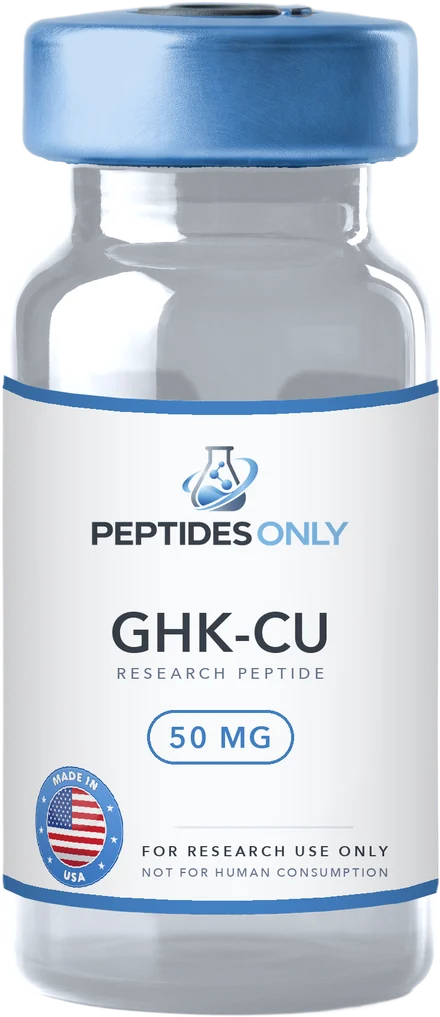
Copper-binding tripeptide used in collagen and skin-matrix research.
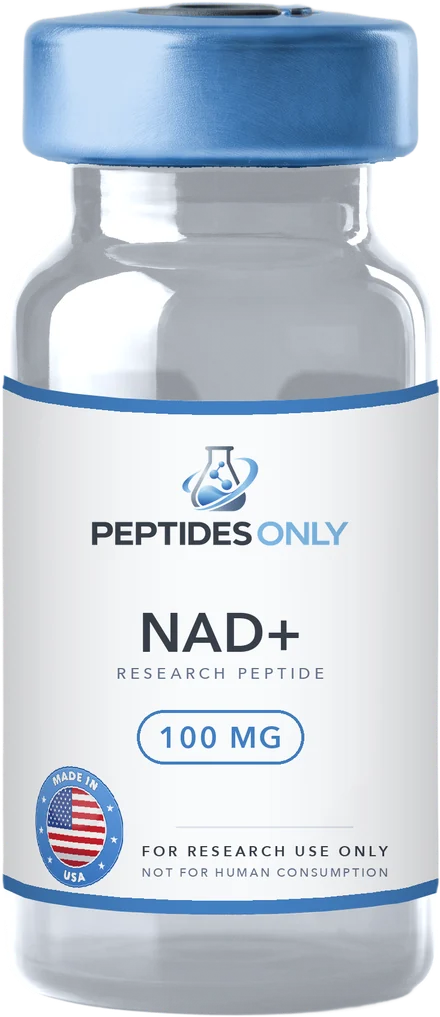
Essential coenzyme for studies of cellular metabolism and ageing.
Thymosin beta-4 fragment studied for cell migration and repair.
Operated by DND Wellness LLC · 1309 Coffeen Ave, Suite 1200, Sheridan, WY 82801.
support@peptides-only.com · (508) 404-8124
Use the chat widget to ask a question. Informational and promotional text messages require separate, optional consent. Message frequency varies. Msg & data rates may apply. Reply STOP to unsubscribe or HELP for help. Consent is not a condition of purchase. 21+.
SMS consent & support · SMS terms & Terms of Service · Privacy Policy