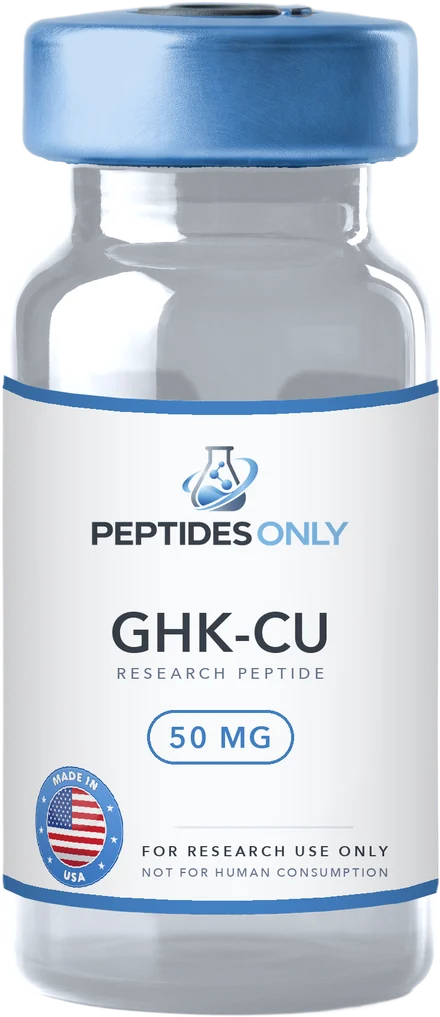
Lyophilized vial
GHK-Cu
Copper-binding tripeptide used in collagen and skin-matrix research.
$50.00
2 for $50 · $25/vial

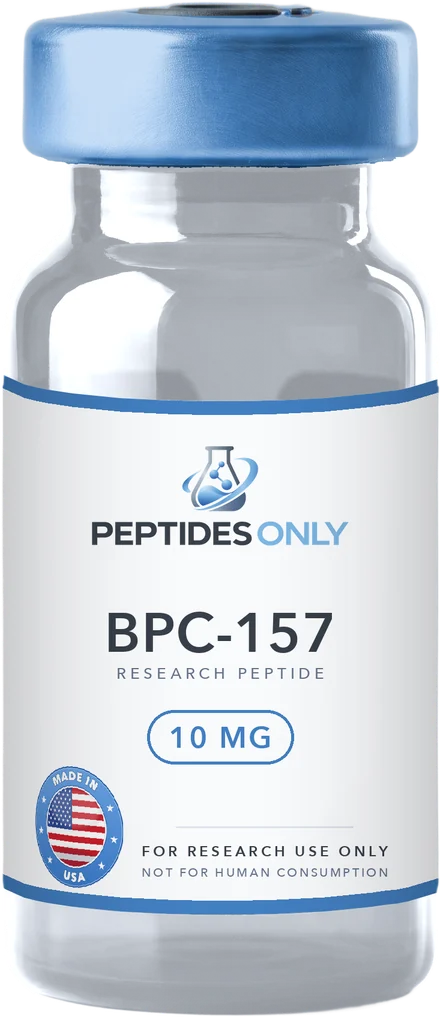
Stable gastric pentadecapeptide, a staple of tissue-repair research.
BPC-157 10 mg
Your order ships with the certificate for its own lot.
Stable gastric pentadecapeptide, a staple of tissue-repair research.
10 mg per vial, as a lyophilized powder in a sealed glass vial with a crimped cap. The lot number on the label matches the certificate of analysis in the COA library.
Store lyophilized powder frozen (−20 °C) or refrigerated, sealed and away from light. Once reconstituted, keep refrigerated (2–8 °C).
Handle in a laboratory setting using appropriate protective equipment. Consult the certificate of analysis and safety data for lot-specific information.
BPC-157 (Body Protection Compound-157) is a synthetic 15-amino-acid peptide whose sequence, GEPPPGKPADDAGLV, is a partial sequence of a protein found in human gastric juice. It is one of the most-studied research peptides in tissue-repair models, with most of the work done in rats on tendon, ligament, muscle and gastrointestinal injury. Human data are limited to three small uncontrolled studies, and BPC-157 is not an approved drug.
BPC-157 is a pentadecapeptide with a molecular weight of about 1419 Da. It was described by researchers in Zagreb as a partial sequence of a larger protein, body protection compound, isolated from human gastric juice1,2. Because it was reported to remain stable in human gastric juice, much of the literature calls it the stable gastric pentadecapeptide BPC 1571.
Under the development code PL 14736, BPC-157 entered early clinical trials for inflammatory bowel disease1. It has not progressed beyond that stage: a 2026 review of its pharmaceutical development found no validated pharmaceutical formulation and no completed phase II trial3. The names BPC-157, BPC 157 and BPC157 all refer to the same sequence. The BPC-157 supplied here is that 15-residue peptide as a lyophilized powder, and every lot ships with a lot-matched certificate of analysis (HPLC purity and mass-spec identity) from an independent lab, published in the certificate library.
Most BPC-157 studies are rat injury models. In rats with a transected Achilles tendon, BPC-157 was associated with higher load to failure, better functional scores and more complete tissue repair than saline controls over 14 days4. In a medial collateral ligament transection model, the same research group reported functional, biomechanical and histological improvements whether the peptide was given intraperitoneally, in drinking water, or as a topical cream5.
The gastrointestinal literature is broader still, covering rat models of esophageal, gastric, intestinal, liver and pancreatic lesions, intestinal anastomoses and several kinds of fistula1. A 2019 critical review of the musculoskeletal work found consistently positive results in tendon, ligament and skeletal muscle models, while noting that most studies used small rodents and came from only a handful of research groups6.
The precise mechanism of BPC-157 has not been established6. Cell and animal studies have proposed several pathways:
Formal pharmacokinetic data come mainly from a 2022 study in rats and beagle dogs. The intact peptide had an elimination half-life under 30 minutes, its kinetics were linear across the levels tested, and radiolabeled BPC-157 was rapidly broken down into small peptide fragments and amino acids that were cleared through urine and bile9. Absolute bioavailability by the intramuscular route was roughly 14 to 19% in rats and 45 to 51% in dogs9.
A companion toxicology program in mice, rats, rabbits and dogs reported no serious toxicity, no genetic or embryo-fetal toxicity, and mild local irritation10. Reviewers have pointed out that a half-life of under 30 minutes sits awkwardly with effects reported to last hours to days, a gap that remains unexplained3.
The BPC-157 literature is large but narrow. Most studies are small rodent experiments, and a few research groups produced most of them6. A 2026 systematic review of human evidence found three studies with 30 participants in total: a retrospective knee-pain series, a retrospective interstitial cystitis series and a two-person intravenous safety pilot. All were uncontrolled, and the overall certainty of evidence was rated very low11.
Open questions include independent replication, the molecular target, human pharmacokinetics and whether rodent findings translate at all. For how BPC-157 compares with an anti-inflammatory tripeptide studied in the same gut models, see KPV vs BPC-157.
No. BPC-157 lacks regulatory approval for human use11, and a 2026 review found no validated pharmaceutical formulation and no completed phase II trial3. Peptides Only supplies it strictly as a research material for laboratory use.
Yes. The World Anti-Doping Agency's 2026 Prohibited List names BPC-157 as an example in class S0, non-approved substances, which are prohibited at all times, in and out of competition.
As the names are used commercially, both describe the BPC-157 sequence paired with a different counterion: acetate, a common counterion for synthetic peptides, or arginine. Sellers of the arginate form describe it as more stable in solution, but we could not find a peer-reviewed study indexed in PubMed that compares the two salt forms, so claimed differences in stability or activity are vendor claims rather than published findings. The counterion does change how much of each milligram of powder is peptide, which is one reason identity and purity testing matters; see how to read a peptide COA.
It was originally characterized as stable in human gastric juice, which is unusual for a peptide and is the origin of the name stable gastric pentadecapeptide1,3. Consistent with that, several rat studies gave it in drinking water as well as by other routes5. Stability in gastric juice is a separate question from storage stability; lyophilized research peptides are generally kept sealed, cold, dry and away from light, as covered in our peptide storage guide.
They are unrelated molecules. BPC-157 is a 15-residue gastric peptide, while TB-500 is a seven-residue acetylated fragment of thymosin beta-4 built around its actin-binding motif. A 2026 rat Achilles tendon study tested both and found that combining them added nothing over either alone12. The full side-by-side is in BPC-157 vs TB-500, and the two are combined in the Wolverine Blend.
Research summary reviewed 2026-10-26 against the cited literature.
Copper-binding tripeptide used in collagen and skin-matrix research.
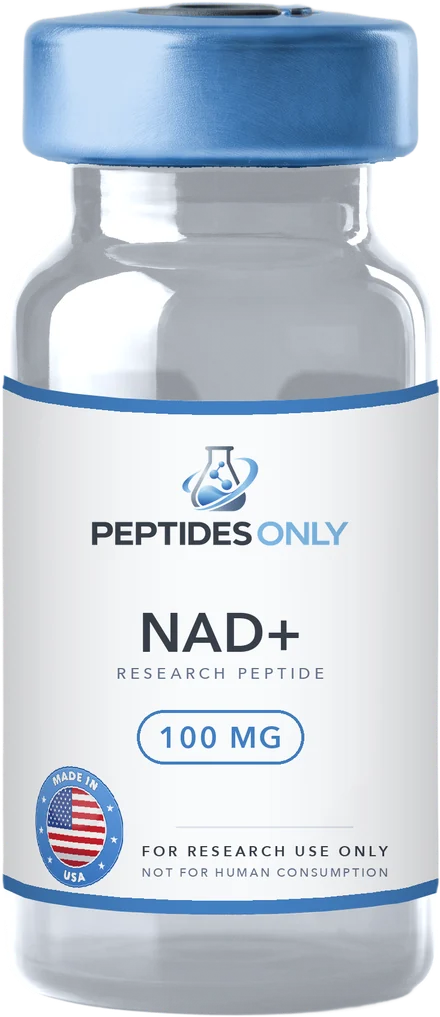
Essential coenzyme for studies of cellular metabolism and ageing.
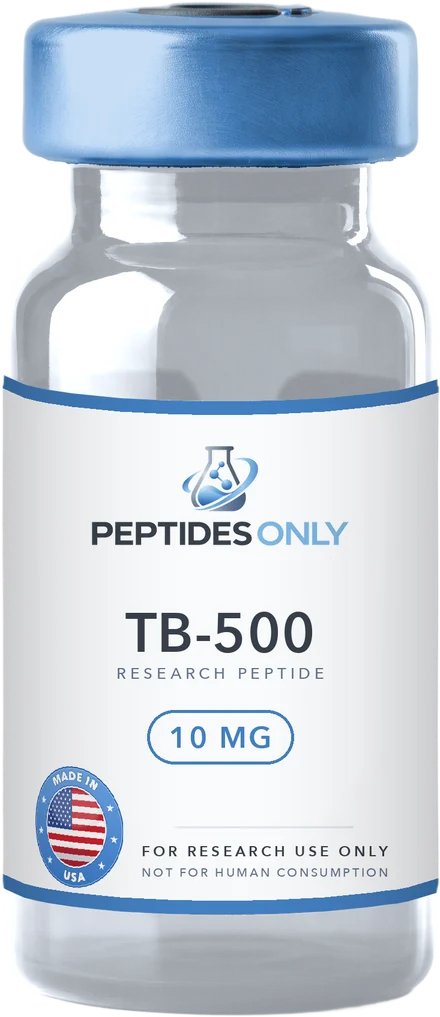
Thymosin beta-4 fragment studied for cell migration and repair.
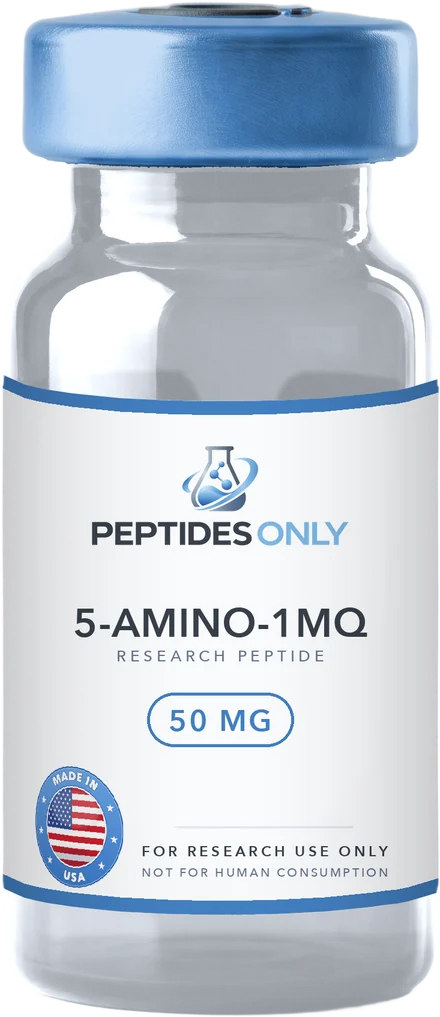
Small-molecule NNMT inhibitor studied in cellular energy research.
Operated by DND Wellness LLC · 1309 Coffeen Ave, Suite 1200, Sheridan, WY 82801.
support@peptides-only.com · (508) 404-8124
Use the chat widget to ask a question. Informational and promotional text messages require separate, optional consent. Message frequency varies. Msg & data rates may apply. Reply STOP to unsubscribe or HELP for help. Consent is not a condition of purchase. 21+.
SMS consent & support · SMS terms & Terms of Service · Privacy Policy