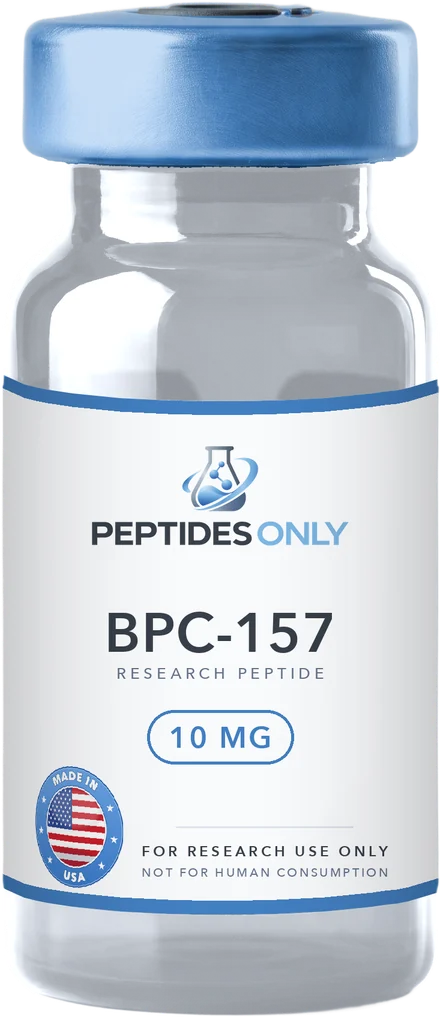
Lyophilized vial
BPC-157
Stable gastric pentadecapeptide, a staple of tissue-repair research.
$85.00
2 for $85 · $42.50/vial

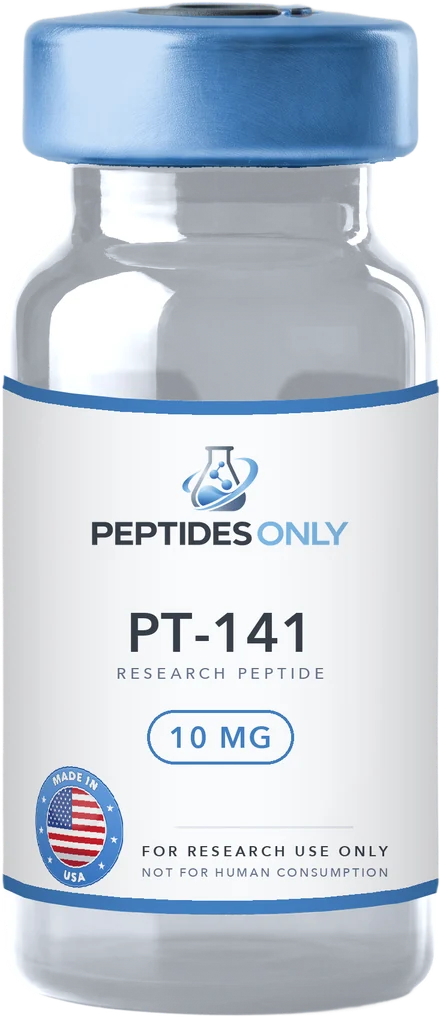
Melanocortin-receptor agonist for central signalling research.
PT-141 10 mg
Your order ships with the certificate for its own lot. 1 earlier certificate for this size in the COA library.
Melanocortin-receptor agonist for central signalling research.
10 mg per vial, as a lyophilized powder in a sealed glass vial with a crimped cap. The lot number on the label matches the certificate of analysis in the COA library.
Store lyophilized powder frozen (−20 °C) or refrigerated, sealed and away from light. Once reconstituted, keep refrigerated (2–8 °C).
Handle in a laboratory setting using appropriate protective equipment. Consult the certificate of analysis and safety data for lot-specific information.
PT-141 is the development code for bremelanotide, a synthetic cyclic seven-residue analog of alpha-melanocyte-stimulating hormone (alpha-MSH) that activates melanocortin receptors, chiefly the MC4 receptor in the brain. Developed from melanotan II, bremelanotide is the active ingredient of Vyleesi, which the FDA approved in June 2019 for premenopausal women with acquired, generalized hypoactive sexual desire disorder (HSDD). Peptides Only supplies PT-141 as a lyophilized compound for laboratory research only; it is not the approved drug product.
PT-141 is a synthetic peptide analog of alpha-MSH and an agonist at melanocortin receptors, including MC3R and MC4R, which are expressed mainly in the central nervous system1. Palatin Technologies developed it as an analog of melanotan II2, and it keeps MT-II's cyclic core, Ac-Nle-cyclo[Asp-His-D-Phe-Arg-Trp-Lys]3. The two molecular formulas differ by one nitrogen, one hydrogen and one oxygen, consistent with a free C-terminal acid in PT-141 where melanotan II carries an amide.
The research interest grew out of melanotan II: the finding that MT-II produced erections in several species, including humans, prompted the search for related agents, and by 2007 bremelanotide was the only one studied clinically in both men and women4. The FDA approved it as Vyleesi in June 2019 for premenopausal women with acquired, generalized HSDD, characterized by low sexual desire that causes marked distress or interpersonal difficulty5.
In rats and non-human primates, PT-141 produced penile erections, and systemic administration in rats increased c-Fos immunoreactivity in hypothalamic neurons, in a region that neural tracing links to the penis1.
In female rats, Pfaus and colleagues reported that PT-141 selectively increased solicitational behaviors, the appetitive part of sexual behavior, without changing lordosis, pacing, general motor activity or sexual reward6. A 2022 review describes bremelanotide as a nonselective melanocortin agonist whose most relevant target is MC4R in the medial preoptic area of the hypothalamus, where animal data suggest it increases dopamine release7.
Early studies tested an intranasal formulation. In healthy men and men with erectile dysfunction, peak levels came about 30 minutes after administration, the half-life was about two hours, and flushing and nausea were the most common adverse events8. In a small crossover study of 18 premenopausal women with sexual arousal disorder, more women reported moderate or high desire after bremelanotide than after placebo, while vaginal vasocongestion did not change significantly9.
The decisive evidence came from RECONNECT, two identical 24-week, randomized, double-blind, placebo-controlled phase 3 trials that enrolled 1,267 premenopausal women with HSDD. Bremelanotide produced statistically significant increases in the desire domain of the Female Sexual Function Index and reductions in desire-related distress compared with placebo; nausea, flushing and headache each occurred in 10% or more of participants10.
An integrated review of the development program, about 3,500 participants in 43 studies, reported nausea in 40.0% of bremelanotide recipients versus 1.3% on placebo, flushing in 20.3% versus 1.3%, and headache in 11.3% versus 1.9%. Focal hyperpigmentation was rare with labeled use but appeared in more than a third of participants after up to 16 consecutive daily administrations, and small, transient blood-pressure increases were recorded on ambulatory monitoring11.
Peptides Only supplies PT-141 as a lyophilized powder for laboratory research only. Every lot ships with a lot-matched certificate of analysis from an independent lab, reporting HPLC purity and mass-spectrometry identity, published in our COA library. Its parent compound is Melanotan-2; the article PT-141 vs Melanotan-2 sets out how the two differ, and how to read a peptide COA explains the certificate.
Bremelanotide, the molecule coded PT-141, is the active ingredient of Vyleesi, approved by the FDA in June 2019 for premenopausal women with acquired, generalized hypoactive sexual desire disorder5. That approval applies to the finished drug product. PT-141 sold by Peptides Only is a research compound for laboratory use and is not a drug.
Yes. PT-141 is the code used in early development papers1, and bremelanotide is the nonproprietary name used in later clinical and approval literature5,9.
PT-141 was developed as an analog of melanotan II2; the two share the same cyclic core and differ at the C-terminus, an acid in PT-141 versus an amide in melanotan II. Melanotan II was never approved; bremelanotide went through phase 3 trials to FDA approval10. See PT-141 vs Melanotan-2.
Research points to a central mechanism: activation of hypothalamic neurons in rats1 and MC4 receptors in the medial preoptic area7. A 2007 review noted that, unlike phosphodiesterase-5 inhibitors, melanocortin agonists in clinical studies were not associated with hypotension4.
Research summary reviewed 2026-10-26 against the cited literature.
Stable gastric pentadecapeptide, a staple of tissue-repair research.
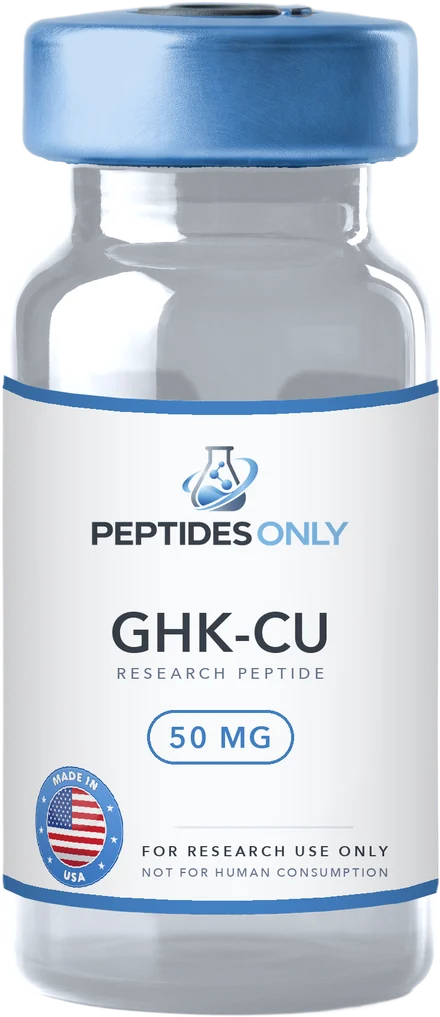
Copper-binding tripeptide used in collagen and skin-matrix research.
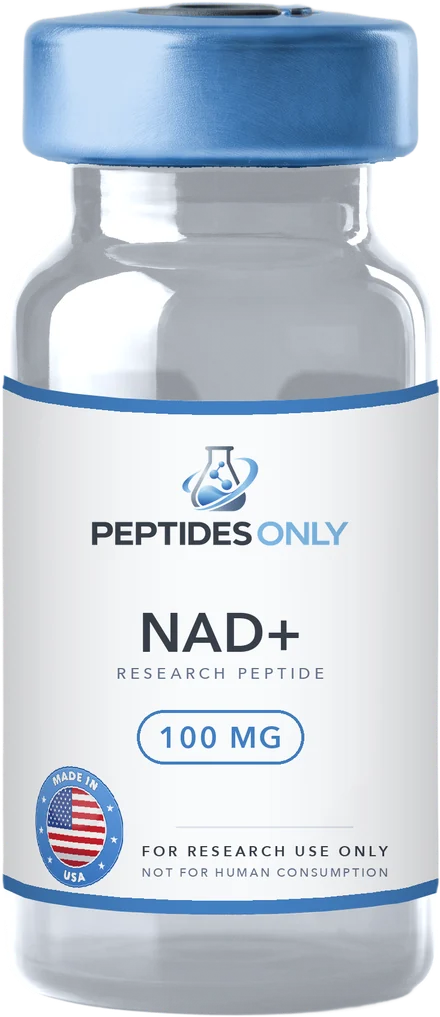
Essential coenzyme for studies of cellular metabolism and ageing.
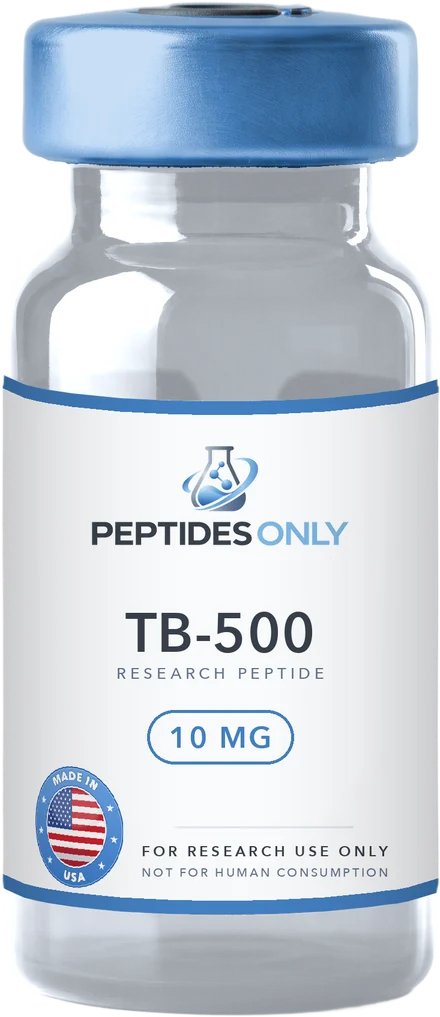
Thymosin beta-4 fragment studied for cell migration and repair.
Operated by DND Wellness LLC · 1309 Coffeen Ave, Suite 1200, Sheridan, WY 82801.
support@peptides-only.com · (508) 404-8124
Use the chat widget to ask a question. Informational and promotional text messages require separate, optional consent. Message frequency varies. Msg & data rates may apply. Reply STOP to unsubscribe or HELP for help. Consent is not a condition of purchase. 21+.
SMS consent & support · SMS terms & Terms of Service · Privacy Policy