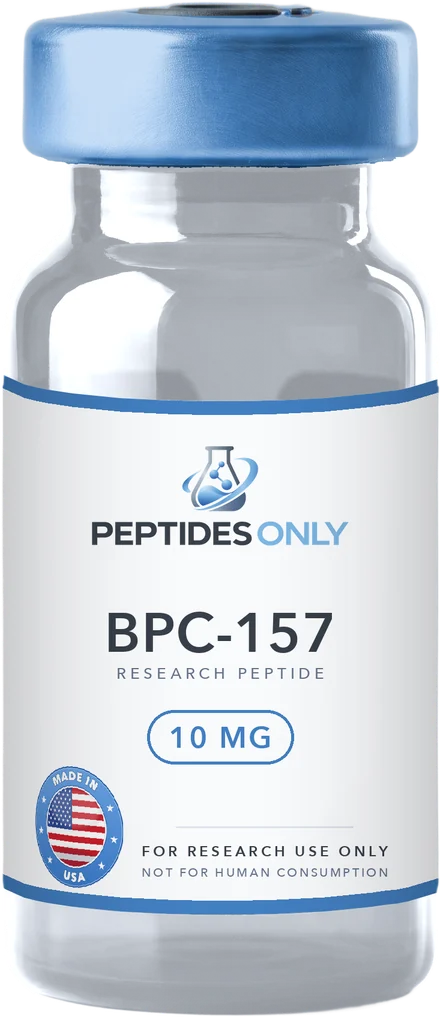
Lyophilized vial
BPC-157
Stable gastric pentadecapeptide, a staple of tissue-repair research.
$85.00
2 for $85 · $42.50/vial

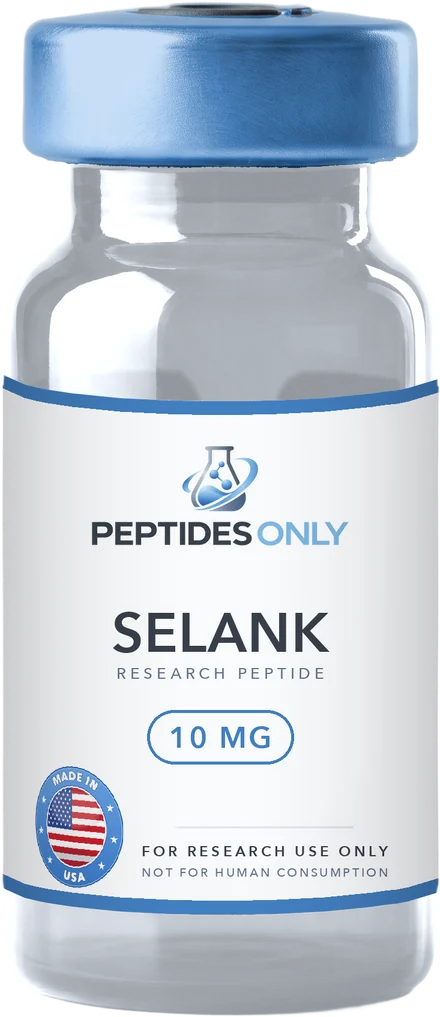
Tuftsin-analogue heptapeptide studied in anxiolytic research.
Selank 10 mg
Your order ships with the certificate for its own lot.
Tuftsin-analogue heptapeptide studied in anxiolytic research.
10 mg per vial, as a lyophilized powder in a sealed glass vial with a crimped cap. The lot number on the label matches the certificate of analysis in the COA library.
Store lyophilized powder frozen (−20 °C) or refrigerated, sealed and away from light. Once reconstituted, keep refrigerated (2–8 °C).
Handle in a laboratory setting using appropriate protective equipment. Consult the certificate of analysis and safety data for lot-specific information.
Selank is a synthetic heptapeptide (Thr-Lys-Pro-Arg-Pro-Gly-Pro) that extends tuftsin, a natural immunomodulatory tetrapeptide, with a Pro-Gly-Pro tail. Developed by Russian researchers, it has been studied mainly in rodent models of stress and anxiety-like behavior and in laboratory work on GABA receptor binding, enkephalin-degrading enzymes and gene expression. Peptides Only supplies Selank as a lyophilized compound for laboratory research only.
Selank is a seven-residue peptide with the sequence Thr-Lys-Pro-Arg-Pro-Gly-Pro1. Its first four residues are tuftsin, a naturally occurring tetrapeptide studied for decades as an immunomodulator2, and Russian researchers describe Selank as a synthetic peptide built on the basis of tuftsin3.
The added Pro-Gly-Pro belongs to the glyprolines, a peptide family that the same research network reported to be unusually stable in the body. Selank and its sister peptide Semax were designed as hybrids that pair a biologically active fragment with this stabilizing tail4. In blood plasma, tritium-labeling studies identified Thr-Lys-Pro-Arg-Pro, Thr-Lys-Pro, Arg-Pro and Gly-Pro as Selank's main breakdown products5.
Selank's mechanism has been approached from several directions. In radioligand experiments on brain cell membranes, Selank changed the binding of tritium-labeled GABA in a pattern consistent with positive allosteric modulation of GABA receptors, and it altered the binding effects of diazepam and olanzapine1. In rat frontal cortex, Selank changed the expression of neurotransmission-related genes within hours, in a pattern that correlated with the changes produced by GABA itself6. A study in human IMR-32 neuroblastoma cells, by contrast, found no direct effect of Selank on those genes, although Selank blunted the gene changes that GABA produced7.
Earlier work focused on enkephalins. Selank inhibited enkephalin-degrading enzymes in human plasma in vitro more potently than the peptidase inhibitors bacitracin and puromycin. The same group reported a shorter enkephalin half-life in the blood of patients with generalized anxiety disorder and proposed enzyme inhibition as a possible basis for the anxiolytic-like activity reported for Selank8.
Given its tuftsin origin, Selank has also been studied for immune effects. In mouse spleen, a single administration changed mRNA levels of complement C3, caspase-1, Il2rg and Xcr1 within 30 to 90 minutes, and its dipeptide fragment Gly-Pro produced largely similar profiles9.
In a model of long-term alcohol exposure, rats received ethanol as their only fluid for 30 weeks. Selank prevented the ethanol-associated rise in BDNF content in the hippocampus and frontal cortex, and the memory and attention deficits seen in an object recognition test during withdrawal3.
Clinical research on Selank is limited to small Russian studies. One compared Selank with the benzodiazepine medazepam in 62 patients diagnosed with generalized anxiety disorder or neurasthenia, using the Hamilton, Zung and CGI rating scales and measuring serum enkephalin-degrading activity; the authors reported effects similar to the comparator10. Another compared Selank with phenazepam in 60 patients with anxiety and somatoform disorders11. Both used active comparators rather than placebo, and both were published in a Russian-language journal.
Almost all Selank research comes from a few Moscow institutions, notably the Institute of Molecular Genetics and the Zakusov Institute of Pharmacology, and independent replication is scarce9,3. A 2021 review by US pharmacists described Selank as a poorly studied Russian drug with GABAergic mechanisms that was being sold to US consumers as a dietary supplement12.
Every Peptides Only lot of Selank is independently tested and ships from the USA with a lot-matched certificate of analysis showing HPLC purity and mass-spec identity, published in our certificate library. It is also available with Semax and Pinealon in the Semax / Selank / Pinealon Set.
No. Selank is not FDA-approved and has not been authorized by the European Medicines Agency. Its clinical record consists of small Russian studies10,11, and US reviewers have criticized its sale to consumers as a supplement12. Peptides Only sells it only as a research compound.
No. Tuftsin is the natural tetrapeptide Thr-Lys-Pro-Arg. Selank keeps that sequence and adds Pro-Gly-Pro, which its developers intended to make the peptide more stable1,4.
Both are Russian heptapeptides ending in Pro-Gly-Pro. Selank is built on tuftsin and is studied mainly for GABAergic modulation, enkephalin metabolism and stress behavior; Semax is built on the ACTH(4-7) fragment and is studied mainly for BDNF expression and ischemia models4. Our Semax vs Selank article compares them in detail.
Radioligand binding work suggests allosteric modulation of GABA receptors1, and gene-expression studies in rats point the same way6, but a study in human neuroblastoma cells found no direct effect on GABAergic genes7. The mechanism is not settled.
Like most lyophilized peptides, sealed vials are generally kept cold, dry and protected from light. See our guide to peptide storage and stability.
Research summary reviewed 2026-10-26 against the cited literature.
Stable gastric pentadecapeptide, a staple of tissue-repair research.
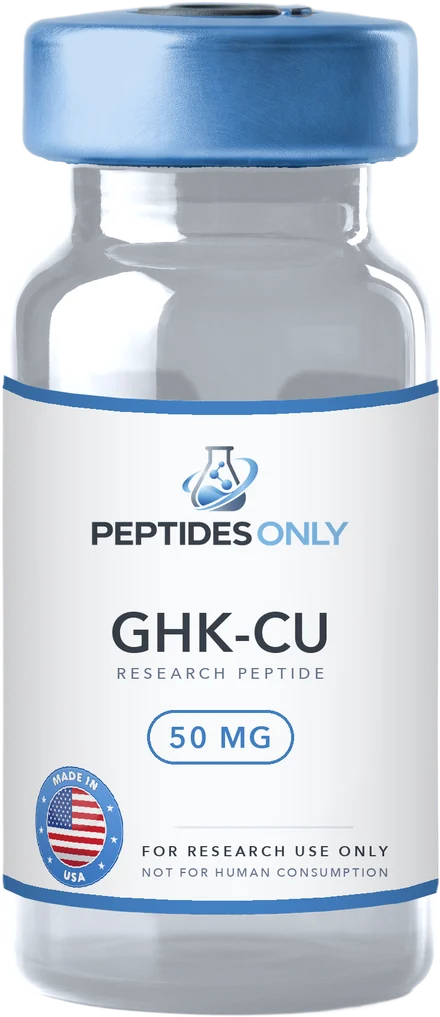
Copper-binding tripeptide used in collagen and skin-matrix research.
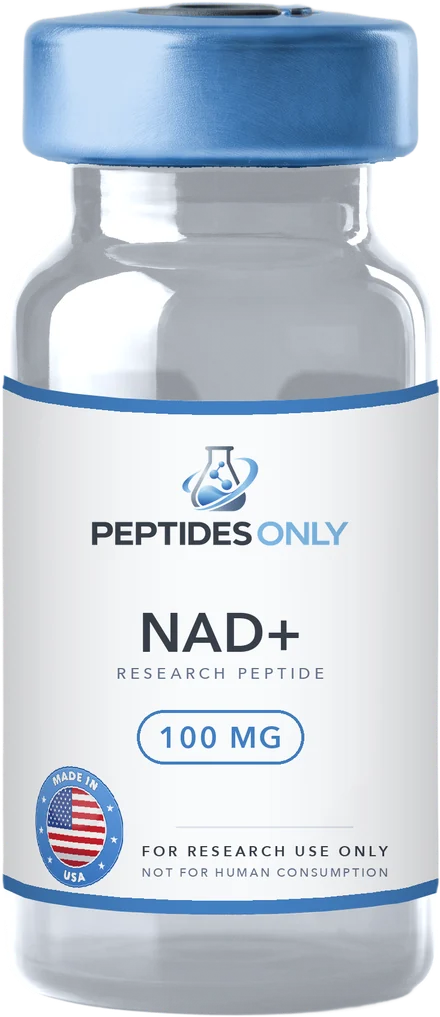
Essential coenzyme for studies of cellular metabolism and ageing.
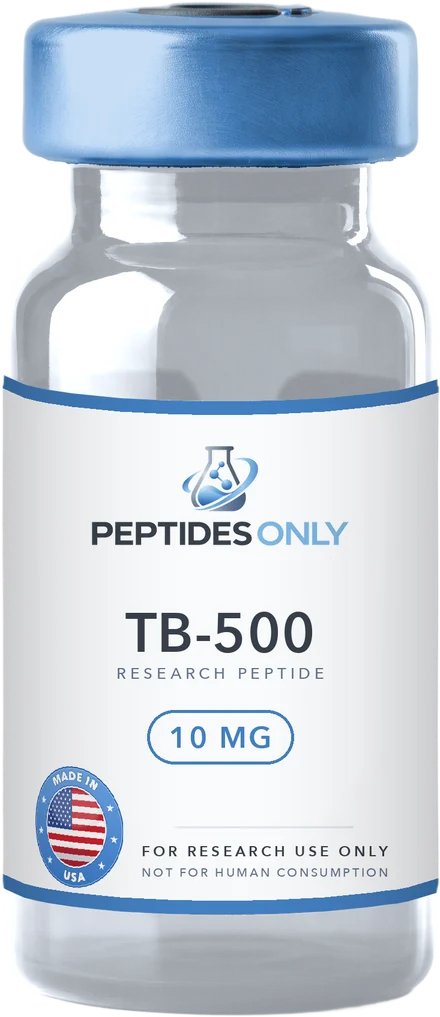
Thymosin beta-4 fragment studied for cell migration and repair.
Operated by DND Wellness LLC · 1309 Coffeen Ave, Suite 1200, Sheridan, WY 82801.
support@peptides-only.com · (508) 404-8124
Use the chat widget to ask a question. Informational and promotional text messages require separate, optional consent. Message frequency varies. Msg & data rates may apply. Reply STOP to unsubscribe or HELP for help. Consent is not a condition of purchase. 21+.
SMS consent & support · SMS terms & Terms of Service · Privacy Policy