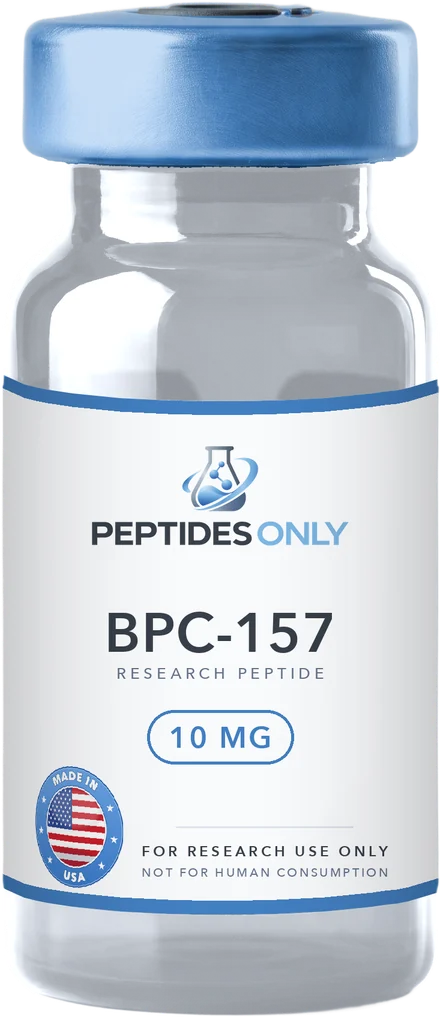
Lyophilized vial
BPC-157
Stable gastric pentadecapeptide, a staple of tissue-repair research.
$85.00
2 for $85 · $42.50/vial

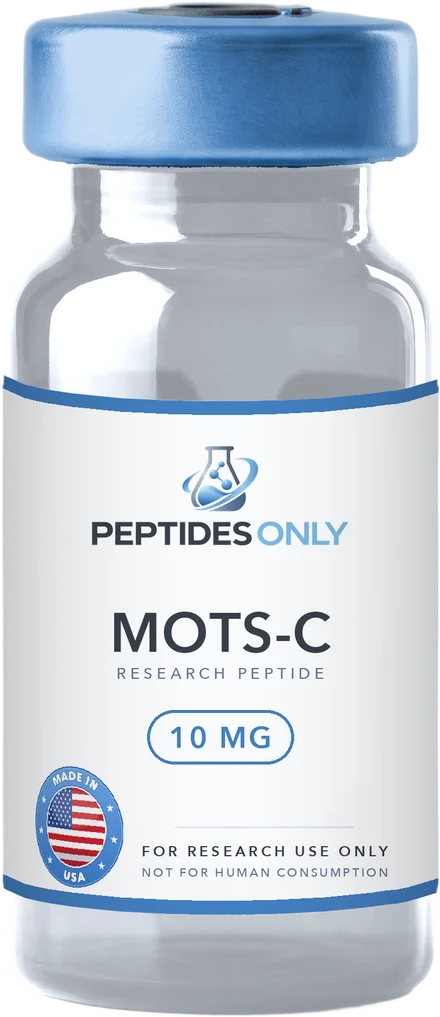
Mitochondrial-derived peptide studied in metabolic homeostasis.
The certificate for the current lot is being uploaded. Every order ships with the COA for its lot, or request it now.
Mitochondrial-derived peptide studied in metabolic homeostasis.
10 mg per vial, as a lyophilized powder in a sealed glass vial with a crimped cap. The lot number on the label matches the certificate of analysis in the COA library.
Store lyophilized powder frozen (−20 °C) or refrigerated, sealed and away from light. Once reconstituted, keep refrigerated (2–8 °C).
Handle in a laboratory setting using appropriate protective equipment. Consult the certificate of analysis and safety data for lot-specific information.
MOTS-c (mitochondrial open reading frame of the 12S rRNA type-c) is a 16-amino-acid peptide encoded within mitochondrial DNA, in the gene for 12S ribosomal RNA1. It belongs to the small family of mitochondrial-derived peptides and is studied as a signal through which mitochondria may influence metabolism in the rest of the cell and body, with most of the evidence coming from mice and cultured cells1,2.
MOTS-c was described in 2015 by Lee and colleagues, who found a short open reading frame inside the mitochondrial 12S rRNA gene that encodes a 16-residue peptide1. Its sequence is MRWQEMGYIFYPRKLR. Almost all proteins are encoded in the nucleus; MOTS-c is unusual because its code sits in the mitochondrial genome, alongside the related peptides humanin and the small humanin-like peptides (SHLP1 to 6), which are encoded in the 16S rRNA region2.
Peptides Only supplies MOTS-c as a lyophilized powder for laboratory research. Each lot ships with a lot-matched certificate of analysis from an independent lab, with HPLC purity and mass-spec identity, published in the COA library. It is also available in the NAD+ / MOTS-c / SS-31 set.
In the original study, skeletal muscle appeared to be the main target organ. At the cellular level, MOTS-c inhibited the folate pathway and the de novo purine synthesis linked to it, which led to activation of AMPK, the cell's energy-stress sensor1.
A 2018 follow-up from the same group reported that under metabolic stress, such as glucose restriction, MOTS-c moves into the nucleus in an AMPK-dependent manner and regulates nuclear genes, including genes with antioxidant response elements, while interacting with the transcription factor NRF23. The authors presented this as evidence that the mitochondrial genome encodes factors that can regulate the nuclear genome3.
Metabolism in mice: in the 2015 study, MOTS-c administration prevented both age-dependent and high-fat-diet-induced insulin resistance in mice, and prevented diet-induced obesity1.
Exercise capacity and aging: Reynolds and colleagues reported that MOTS-c increased physical performance in young, middle-aged and old mice, and that intermittent administration started late in life increased physical capacity in old mice. In the same paper, exercise raised endogenous MOTS-c in human skeletal muscle and in circulation4.
Genetics: an Asian-specific mitochondrial DNA variant, m.1382A>C, changes lysine 14 of MOTS-c to glutamine (K14Q). In a meta-analysis of three cohorts totaling 27,527 people, men carrying the variant had a higher prevalence of type 2 diabetes, and in high-fat-fed male mice the K14Q form did not reproduce the effects of native MOTS-c on weight and glucose tolerance5.
Human data so far are observational: researchers measure MOTS-c in blood or muscle rather than administer it. In a study of 10 lean and 10 obese adults, plasma MOTS-c did not differ between groups but correlated with indices of insulin sensitivity, mainly in the lean participants6. In healthy men, circulating MOTS-c was lower with age, while skeletal-muscle MOTS-c expression was about 1.5-fold higher in middle-aged and older men than in young men7. After a single session of endurance exercise, plasma MOTS-c showed only a trend toward an increase, whereas the related peptide humanin rose significantly8.
A 2023 review noted that no effective method of applying MOTS-c in the clinic has been developed9. MOTS-c is not an approved medicine and remains a research compound.
MOTS-c is a 16-amino-acid peptide. Because it is present in plasma and, in mouse studies, acts on tissues such as skeletal muscle, it is often described as a mitochondrial signaling peptide1,9. Whether it behaves as a true circulating hormone in humans has not been established.
Both are mitochondrial-derived peptides, but they come from different mitochondrial genes: MOTS-c from the 12S rRNA region and humanin from the 16S rRNA region2. In one human exercise study, endurance exercise raised circulating humanin significantly, while MOTS-c showed only a trend8.
MOTS-c is a naturally occurring peptide encoded by mitochondrial DNA that signals to muscle metabolism and the nucleus1,3. SS-31 is a synthetic tetrapeptide designed to bind cardiolipin in the inner mitochondrial membrane10. All three are offered together in the NAD+ / MOTS-c / SS-31 Set.
No. MOTS-c is not an approved medicine. It has been studied in cells, in mice and in observational human studies, and a 2023 review noted that no effective clinical application had yet been developed9. Peptides Only sells it for laboratory research only.
Keep the lyophilized powder sealed, cold, dry and away from light. Our guide to peptide storage and stability covers the reasons in more detail.
Research summary reviewed 2026-10-26 against the cited literature.
Stable gastric pentadecapeptide, a staple of tissue-repair research.
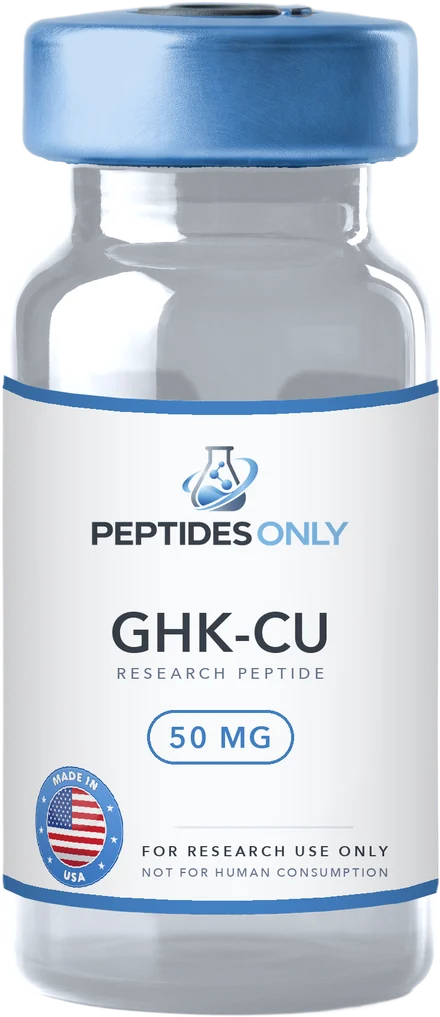
Copper-binding tripeptide used in collagen and skin-matrix research.
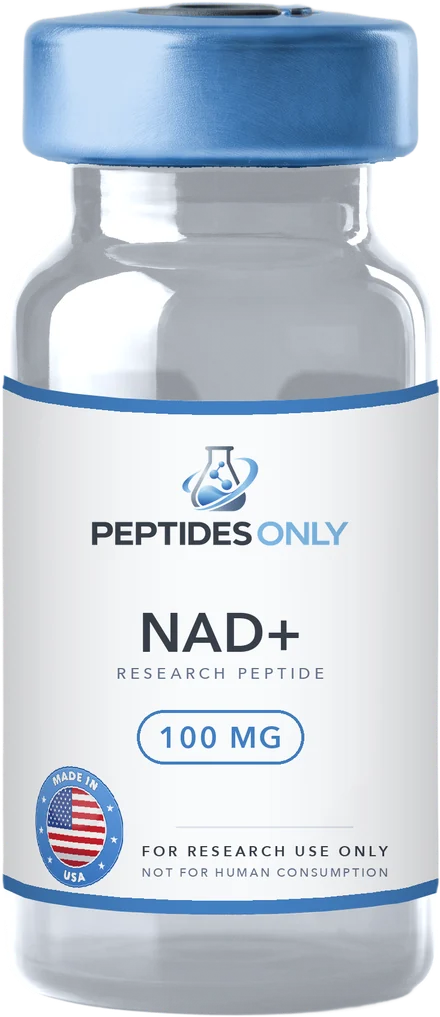
Essential coenzyme for studies of cellular metabolism and ageing.
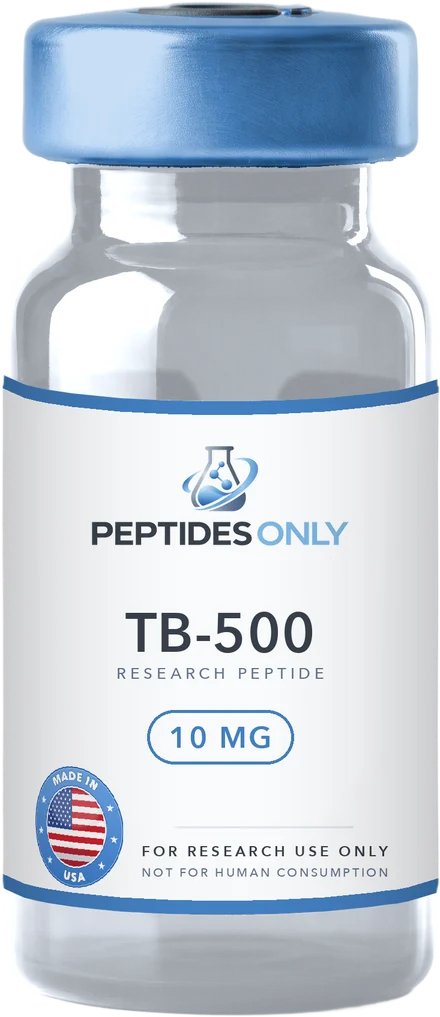
Thymosin beta-4 fragment studied for cell migration and repair.
Operated by DND Wellness LLC · 1309 Coffeen Ave, Suite 1200, Sheridan, WY 82801.
support@peptides-only.com · (508) 404-8124
Use the chat widget to ask a question. Informational and promotional text messages require separate, optional consent. Message frequency varies. Msg & data rates may apply. Reply STOP to unsubscribe or HELP for help. Consent is not a condition of purchase. 21+.
SMS consent & support · SMS terms & Terms of Service · Privacy Policy