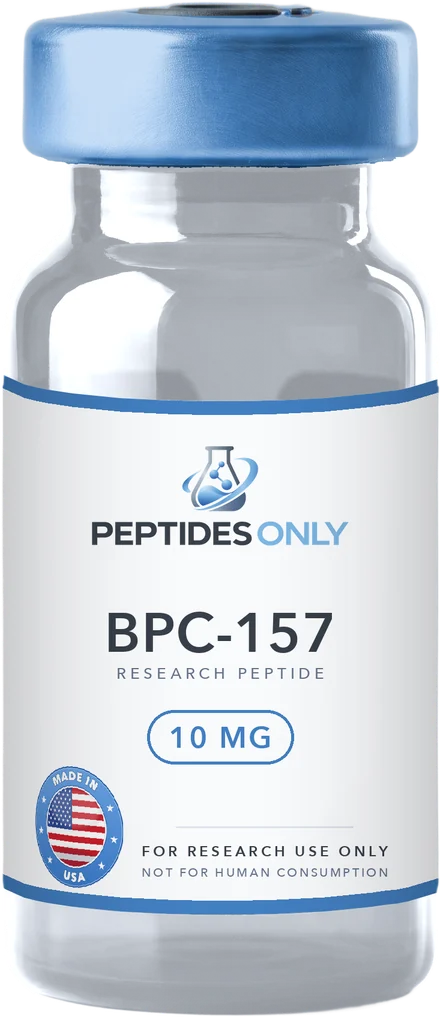
Lyophilized vial
BPC-157
Stable gastric pentadecapeptide, a staple of tissue-repair research.
$85.00
2 for $85 · $42.50/vial

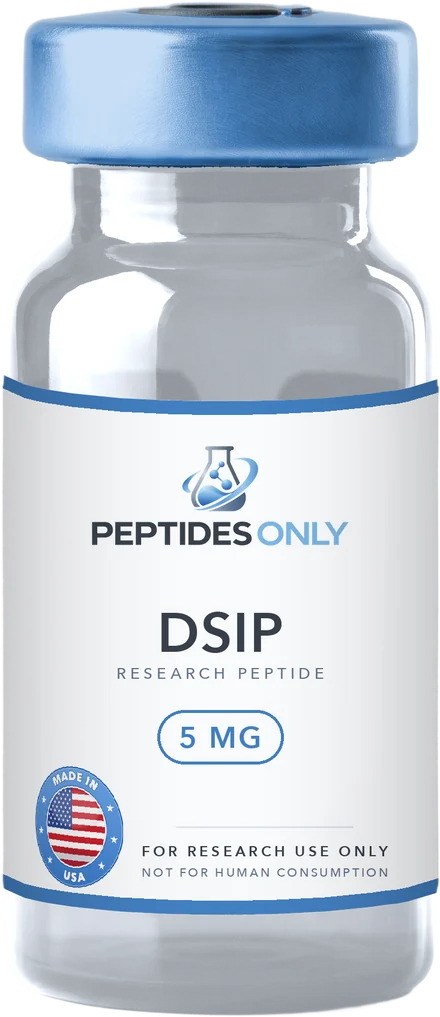
Delta sleep-inducing peptide for circadian and sleep-architecture studies.
The certificate for the current lot is being uploaded. Every order ships with the COA for its lot, or request it now.
Delta sleep-inducing peptide for circadian and sleep-architecture studies.
5 mg per vial, as a lyophilized powder in a sealed glass vial with a crimped cap. The lot number on the label matches the certificate of analysis in the COA library.
Store lyophilized powder frozen (−20 °C) or refrigerated, sealed and away from light. Once reconstituted, keep refrigerated (2–8 °C).
Handle in a laboratory setting using appropriate protective equipment. Consult the certificate of analysis and safety data for lot-specific information.
DSIP (delta sleep-inducing peptide) is a nine-amino-acid peptide, Trp-Ala-Gly-Gly-Asp-Ala-Ser-Gly-Glu, isolated in 1977 from the cerebral venous blood of rabbits in which sleep had been induced by brain stimulation. It was named for its ability to enhance slow-wave (delta) EEG activity in those rabbits, but its link to sleep has stayed weakly documented and human findings are mixed. Peptides Only supplies DSIP as a lyophilized compound for laboratory research only.
Delta sleep-inducing peptide was characterized in 1977 by Guido Schoenenberger and Marcel Monnier in Basel. They isolated it from a dialysate of cerebral venous blood taken from rabbits during electrical stimulation of the intralaminar thalamus, a procedure used to induce sleep, and determined its sequence as Trp-Ala-Gly-Gly-Asp-Ala-Ser-Gly-Glu1,2.
In double-blind rabbit experiments, synthetic DSIP infused into the brain ventricles increased delta and spindle EEG activity, while five possible metabolic fragments and several analogs did not. Only the alpha-aspartyl form of the peptide was highly active; its beta-aspartyl isomer was not1,2.
Its structure is unlike that of any other known peptide family3. Antibodies raised against DSIP detect DSIP-like immunoreactivity in brain, peripheral organs and plasma of several mammals4, but when researchers purified a large immunoreactive molecule from pig brain it proved to be an unrelated 77-residue protein with a leucine-zipper motif5. The confusion persists in gene names: the glucocorticoid-induced leucine zipper (GILZ) gene is also known as the delta sleep-inducing peptide immunoreactor6.
Early animal work, reviewed in 1984, reported that DSIP promoted mainly delta sleep in rabbits, rats and mice, with a U-shaped response curve, and also affected electrophysiological activity, brain neurotransmitter levels, circadian and locomotor patterns, hormone levels and responses to other drugs, including withdrawal4.
Human physiology studies have not supported a simple sleep-hormone role. In 12 healthy volunteers sampled every 30 minutes for 24 hours at the US National Institutes of Health, plasma DSIP-like immunoreactivity peaked in the afternoon, tracked body temperature closely, and was lower, not higher, during REM and slow-wave sleep than during wakefulness7.
Stability is another complication. DSIP is degraded quickly in human and rat blood, while some analogs persist longer, and the researchers who measured this suggested that inactivation rates could contribute to variable results in vivo8. Russian groups have continued to study DSIP in stress and aging models; in one, repeated administration in rats aged 2 to 24 months was associated with higher expression of the antioxidant-enzyme genes Sod1 and Gpx1 in brain and blood cells9.
The first human studies, run in the early 1980s with the Basel group, gave DSIP intravenously under double-blind conditions in five studies. They described it as well tolerated and reported sleep-promoting effects in insomniac patients, along with changes in alertness and performance during waking10.
Later work was less encouraging. A double-blind, placebo-controlled study from the University of Amsterdam in 16 chronic insomniac patients found only weak effects on sleep efficiency and sleep latency, partly attributable to an incidental change in the placebo group, and no change in subjective sleep quality. The authors concluded that short-term DSIP was unlikely to be of major therapeutic value11.
In a randomized 2009 study in 24 patients under isoflurane anesthesia, DSIP did the opposite of what its name suggests: it reduced EEG delta rhythm, lightened anesthetic depth as measured by the bispectral index, increased heart rate and reduced heart rate variability12.
A 2006 review in the Journal of Neurochemistry called DSIP a still unresolved riddle. No DSIP gene, precursor protein or receptor had been isolated, and the hypothesis that DSIP is a natural sleep factor was described as extremely poorly documented. The authors also noted that in their own rabbit and rat studies certain synthetic DSIP analogs, but not DSIP itself, significantly promoted slow-wave sleep3.
DSIP is listed with our research peptides. Every lot is independently tested and ships from the USA with a lot-matched certificate of analysis showing HPLC purity and mass-spec identity, published in our certificate library. Researchers working on circadian and pineal endpoints may also want to compare Epithalon, discussed in Epitalon vs Pinealon.
Delta sleep-inducing peptide. The name refers to the slow-wave (delta) EEG activity it enhanced in the rabbits in which it was discovered1, not to an established role in human sleep3.
No. DSIP is not an FDA-approved drug and has not been authorized by the European Medicines Agency. Peptides Only sells it strictly as a research compound for laboratory use.
No receptor, gene or precursor protein for DSIP had been identified as of the most recent dedicated review, which is one reason its biological role remains unclear3.
No. GILZ is a leucine-zipper protein whose gene carries the name delta sleep-inducing peptide immunoreactor6. Separately, a large protein purified from pig brain reacted with DSIP antibodies, but its sequence is unrelated to DSIP5.
Like most lyophilized peptides, sealed vials are generally kept cold, dry and protected from light. See our guide to peptide storage and stability.
Research summary reviewed 2026-10-26 against the cited literature.
Stable gastric pentadecapeptide, a staple of tissue-repair research.
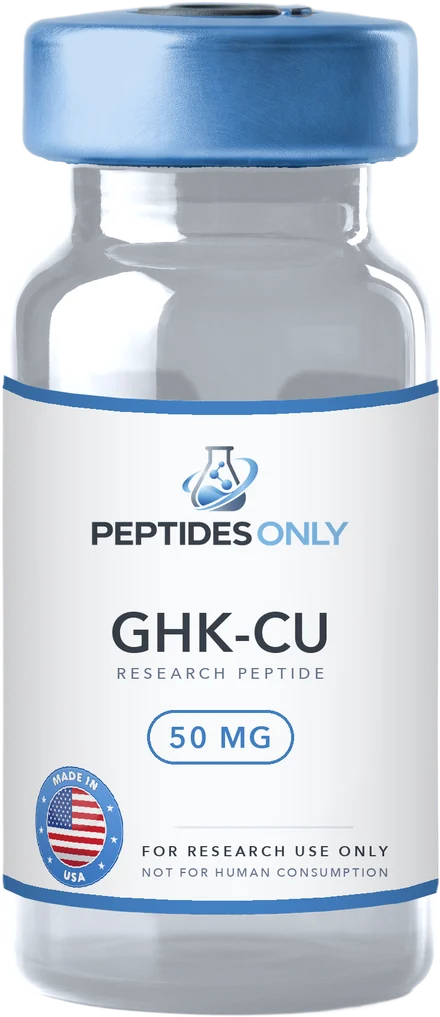
Copper-binding tripeptide used in collagen and skin-matrix research.
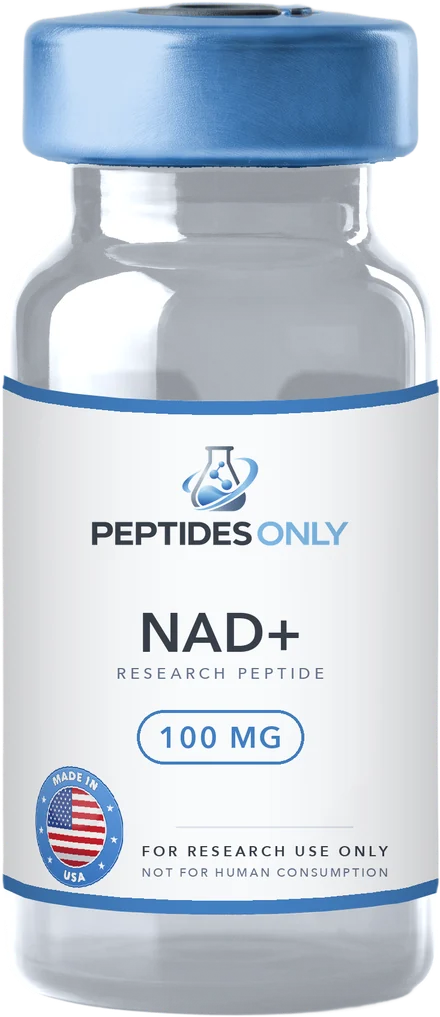
Essential coenzyme for studies of cellular metabolism and ageing.
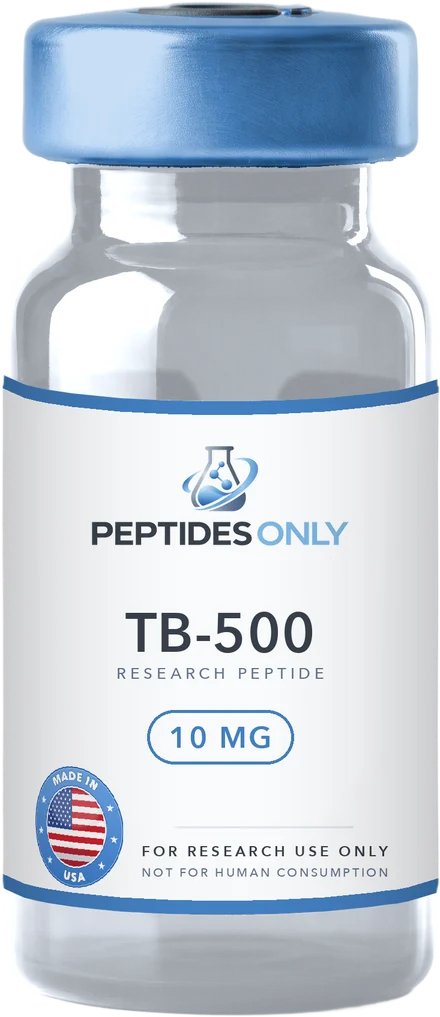
Thymosin beta-4 fragment studied for cell migration and repair.
Operated by DND Wellness LLC · 1309 Coffeen Ave, Suite 1200, Sheridan, WY 82801.
support@peptides-only.com · (508) 404-8124
Use the chat widget to ask a question. Informational and promotional text messages require separate, optional consent. Message frequency varies. Msg & data rates may apply. Reply STOP to unsubscribe or HELP for help. Consent is not a condition of purchase. 21+.
SMS consent & support · SMS terms & Terms of Service · Privacy Policy