
GLOW vs KLOW vs Wolverine: What Is in Each Peptide Blend and What the Research Shows
GLOW, KLOW and Wolverine are research blends built on the same base. Wolverine Blend is BPC-157 plus TB-500; GLOW Blend adds the copper peptide GHK-Cu; KLOW Blend adds GHK-Cu and the anti-inflammatory tripeptide KPV. No published study has tested any of the three as a mixture, so the useful comparison is between their components and the research behind each one.
What are GLOW, KLOW and Wolverine?
The three blends are nested. Wolverine Blend combines two peptides from the tissue-repair literature, BPC-157 and TB-500, in a 20 mg vial. GLOW Blend keeps both and adds GHK-Cu, a copper peptide from skin-matrix research, in a 70 mg vial. KLOW Blend keeps all three and adds KPV, a tripeptide fragment of alpha-MSH, in an 80 mg vial.
Because the blends share components, asking whether GLOW or KLOW is better is really asking what GHK-Cu and KPV contribute, and whether combining peptides adds anything at all. The sections below take each component in turn, then look at the little direct evidence on combinations.
GLOW vs KLOW vs Wolverine at a glance
Which peptide is in which blend, and what each addition brings:
| Wolverine Blend | GLOW Blend | KLOW Blend | |
|---|---|---|---|
| BPC-157 | Yes | Yes | Yes |
| TB-500 | Yes | Yes | Yes |
| GHK-Cu | No | Yes | Yes |
| KPV | No | No | Yes |
| Vial (total peptide) | 20 mg | 70 mg | 80 mg |
| What it adds to the base | The base pair: tendon and wound-repair research | GHK-Cu: collagen and glycosaminoglycan research | GHK-Cu plus KPV: NF-kappaB and cytokine signaling in inflammation models |
| Studied as a blend? | No pre-mixed product studied; one rat study combined the two peptides1 | No | No |
| Regulatory status | Not FDA-approved; research use only | Not FDA-approved; research use only | Not FDA-approved; research use only |
The four components compared
The blends differ only in their components, so this is the comparison that carries the evidence:
| BPC-157 | TB-500 | GHK-Cu | KPV | |
|---|---|---|---|---|
| Origin | Partial sequence of a protein found in human gastric juice2 | Synthetic N-acetylated LKKTETQ, the actin-binding region of thymosin beta-43,4 | Copper complex of a tripeptide isolated from human plasma5 | C-terminal tripeptide (residues 11 to 13) of alpha-MSH6 |
| Structure and size | 15 residues | 7 residues | 3 residues plus copper(II) | 3 residues (Lys-Pro-Val) |
| Target or pathway studied | FAK-paxillin signaling; fibroblast migration2 | Actin binding; cell migration and angiogenesis4 | Collagen and glycosaminoglycan synthesis5,7 | NF-kappaB and MAP kinase signaling; uptake via PepT18 |
| Main research models | Rat tendon and skin wounds; tendon fibroblasts | Rat skin wounds (full-length thymosin beta-4); fibroblast assays; rat tendon | Fibroblast cultures; rat wound chambers | Intestinal and immune cell lines; mouse colitis |
| Key finding | Faster functional and structural recovery of transected rat Achilles tendon9 | Faster re-epithelialization of rat skin wounds with full-length thymosin beta-410 | More collagen and matrix in rat wound chambers7 | Less inflammation in two mouse colitis models6 |
| Human evidence | Three small, low-quality studies; very low certainty11 | None identified; effects of the fragment itself are poorly documented12 | Sparse; small cosmetic reports13 | No human trials identified |
| Regulatory status | Not FDA-approved | Not FDA-approved | Not FDA-approved | Not FDA-approved |
Wolverine Blend: the BPC-157 and TB-500 base
BPC-157 is a stable 15-amino-acid peptide whose rat data are extensive. After Achilles tendon transection, rats given BPC-157 showed higher load to failure, better functional index scores and more fibroblast, reticulin and collagen formation than controls9. In cell work, it increased the outgrowth of tendon fibroblasts from explants, their survival under oxidative stress and their migration, with activation of the FAK-paxillin pathway2. A 2021 review from the same Zagreb group covers its use in rat incisional and excisional wounds, burns and diabetic ulcers14.
TB-500 is narrower than its reputation suggests. It is the N-acetylated peptide LKKTETQ, a synthetic copy of the actin-binding segment of thymosin beta-4 and the key ingredient of a veterinary preparation that equine doping-control laboratories test for3. Most wound data, such as faster re-epithelialization, more collagen and more angiogenesis in rat full-thickness wounds, were obtained with the full 43-residue protein10, and active-site mapping assigns migration and angiogenesis to this region4. A 2024 metabolism study found that in fibroblast assays the metabolite Ac-LKKTE, not intact TB-500, showed significant wound-closure activity12.
Only one controlled study has combined the two. In 32 rats with repaired Achilles tendons, TB-500 was associated with significantly better histology scores and greater load to failure, BPC-157 with numerically better but mostly non-significant scores, and the combination added nothing over either peptide alone1. The authors called the work exploratory. For a deeper look at the pair, see BPC-157 vs TB-500.
What GHK-Cu adds in GLOW Blend
GHK-Cu is the copper(II) complex of Gly-His-Lys. Its research centers on the extracellular matrix rather than on cell migration. In fibroblast cultures it stimulated collagen synthesis from picomolar concentrations, peaking near one nanomolar5. In implanted rat wound chambers it raised collagen, glycosaminoglycan, DNA and total protein content, along with type I and III collagen mRNA, while a control tripeptide had no significant effect7.
The clinical picture is thinner. A 2026 systematic evidence-mapping review judged the preclinical data consistent but the clinical evidence sparse, with small or poorly characterized cosmetic reports13.
What KPV adds in KLOW Blend
KPV (Lys-Pro-Val) is the last three residues of alpha-MSH. In human intestinal epithelial cells and T cells, nanomolar KPV inhibited NF-kappaB and MAP kinase signaling and reduced pro-inflammatory cytokine secretion after entering cells through the PepT1 transporter, and oral KPV reduced chemically induced colitis in mice8. A second group found anti-inflammatory effects in two mouse colitis models, including mice without a functional MC1 receptor6.
The skin link is a proposal rather than a result: Böhm and Luger have suggested truncated alpha-MSH peptides such as KPV as wound-research candidates because they keep anti-inflammatory activity without the pigment-inducing activity of alpha-MSH15.
Limitations: what has not been tested
- No study has tested GLOW, KLOW or Wolverine as a pre-mixed product, so claims about the blends are extrapolations from their components.
- The single combination study found no additive effect1; complementary mechanisms on paper do not guarantee complementary results.
- We found no published data on the stability of these peptides when lyophilized together, or on whether they interact in solution.
- Human evidence is minimal across the board: BPC-157's human studies were rated very low certainty11, and GHK-Cu's clinical evidence is sparse13.
Choosing between GLOW, KLOW and Wolverine for research
The choice follows the research question. A study confined to BPC-157 and TB-500 needs only Wolverine Blend. A design that also asks about matrix synthesis points to GLOW, and one that adds an inflammation arm points to KLOW. Where the goal is to attribute an effect to a single peptide, separate vials of BPC-157, TB-500, GHK-Cu and KPV allow proper single-agent controls.
Every Peptides Only lot, blend or single peptide, ships with a lot-matched certificate of analysis (HPLC purity and mass-spec identity) from an independent lab, published in the COA library.
Frequently asked questions
What is the difference between GLOW and KLOW?
One peptide. Both contain GHK-Cu, BPC-157 and TB-500; KLOW adds KPV, a tripeptide from alpha-MSH studied in inflammation models6,8.
What is the difference between KLOW and Wolverine?
Wolverine Blend is BPC-157 and TB-500 only. KLOW adds two more peptides: GHK-Cu, studied for collagen and matrix synthesis7, and KPV.
Is GLOW the same as Wolverine plus GHK-Cu?
By composition, yes: the same three peptides. Whether a pre-mixed vial behaves like separate vials has not been studied.
Has any study tested GLOW, KLOW or Wolverine Blend?
No study has tested any of the three as a product. The closest is a rat Achilles tendon study that gave BPC-157 and TB-500 together and found no added effect over either alone1.
Are these blends FDA-approved?
No. None of the blends or their components is an approved drug; BPC-157, for example, lacks regulatory approval for human use11. Peptides Only sells them for laboratory research only.
References
- Biçer O, Adanir O, et al. Effects of BPC-157 and TB-500 on Achilles tendon healing in rats: A histopathological and biomechanical study. Jt Dis Relat Surg. 2026;37(3):822-837. PubMed 42542926
- Chang CH, Tsai WC, et al. The promoting effect of pentadecapeptide BPC 157 on tendon healing involves tendon outgrowth, cell survival, and cell migration. J Appl Physiol (1985). 2011;110(3):774-80. PubMed 21030672
- Ho EN, Kwok WH, et al. Doping control analysis of TB-500, a synthetic version of an active region of thymosin β₄, in equine urine and plasma by liquid chromatography-mass spectrometry. J Chromatogr A. 2012;1265:57-69. PubMed 23084823
- Sosne G, Qiu P, et al. Biological activities of thymosin beta4 defined by active sites in short peptide sequences. FASEB J. 2010;24(7):2144-51. PubMed 20179146
- Maquart FX, Pickart L, et al. Stimulation of collagen synthesis in fibroblast cultures by the tripeptide-copper complex glycyl-L-histidyl-L-lysine-Cu2+. FEBS Lett. 1988;238(2):343-6. PubMed 3169264
- Kannengiesser K, Maaser C, et al. Melanocortin-derived tripeptide KPV has anti-inflammatory potential in murine models of inflammatory bowel disease. Inflamm Bowel Dis. 2008;14(3):324-31. PubMed 18092346
- Maquart FX, Bellon G, et al. In vivo stimulation of connective tissue accumulation by the tripeptide-copper complex glycyl-L-histidyl-L-lysine-Cu2+ in rat experimental wounds. J Clin Invest. 1993;92(5):2368-76. PubMed 8227353
- Dalmasso G, Charrier-Hisamuddin L, et al. PepT1-mediated tripeptide KPV uptake reduces intestinal inflammation. Gastroenterology. 2008;134(1):166-78. PubMed 18061177
- Staresinic M, Sebecic B, et al. Gastric pentadecapeptide BPC 157 accelerates healing of transected rat Achilles tendon and in vitro stimulates tendocytes growth. J Orthop Res. 2003;21(6):976-83. PubMed 14554208
- Malinda KM, Sidhu GS, et al. Thymosin beta4 accelerates wound healing. J Invest Dermatol. 1999;113(3):364-8. PubMed 10469335
- Poolton JT, Minett J, et al. Human evidence for BPC-157 in orthopaedic and regenerative medicine: a systematic review of efficacy and safety. Acta Orthop Belg. 2026;92(3). PubMed 42885452
- Rahaman KA, Muresan AR, et al. Simultaneous quantification of TB-500 and its metabolites in in-vitro experiments and rats by UHPLC-Q-Exactive orbitrap MS/MS and their screening by wound healing activities in-vitro. J Chromatogr B Analyt Technol Biomed Life Sci. 2024;1235:124033. PubMed 38382158
- Mateescu DM, Gavrilescu DM, et al. GHK-Cu as a Bioactive Metallopeptide and Drug-Delivery Cargo: Coordination Chemistry, Formulation Science, Therapeutic Evidence, and a Translational Roadmap. Pharmaceutics. 2026;18(9):1077. PubMed 42797253
- Seiwerth S, Milavic M, et al. Stable Gastric Pentadecapeptide BPC 157 and Wound Healing. Front Pharmacol. 2021;12:627533. PubMed 34267654
- Böhm M, Luger T. Are melanocortin peptides future therapeutics for cutaneous wound healing? Exp Dermatol. 2019;28(3):219-224. PubMed 30661264
Compounds discussed
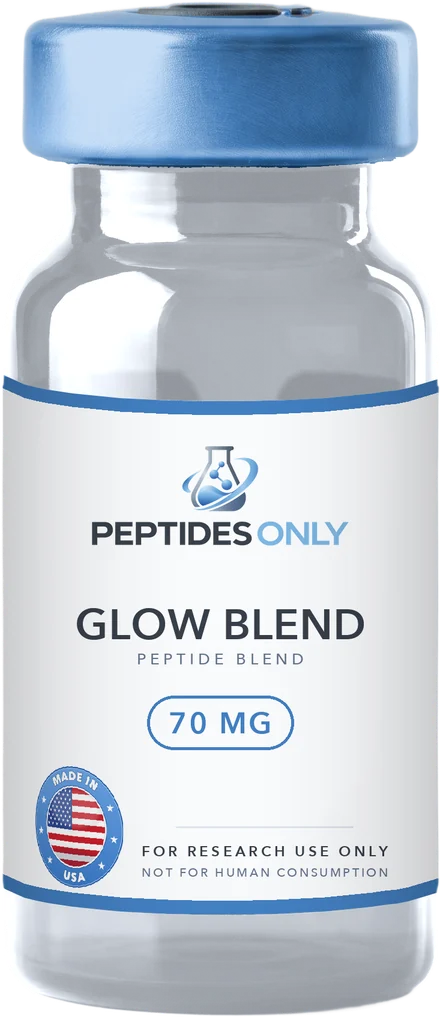
GLOW Blend
GHK-Cu, BPC-157 and TB-500 blended for skin-matrix research.
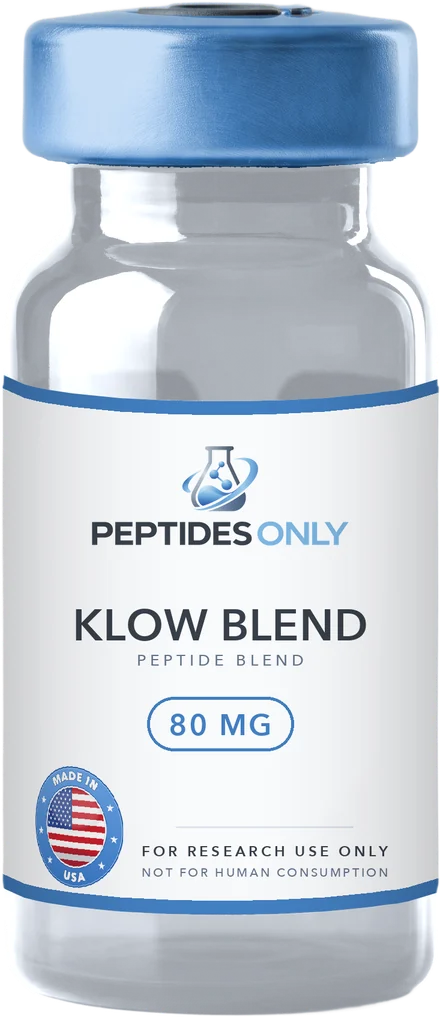
KLOW Blend
Four-peptide blend of GHK-Cu, KPV, BPC-157 and TB-500.
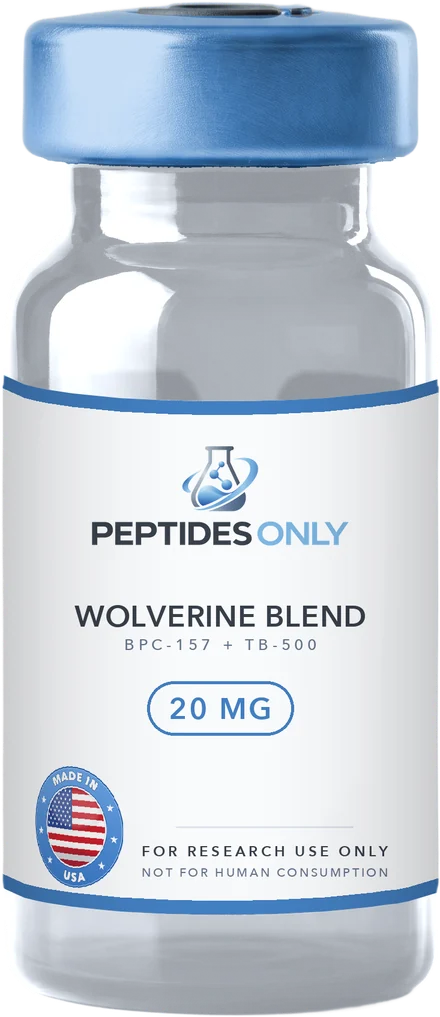
Wolverine Blend
BPC-157 and TB-500 combined 1:1 for tissue-repair research.
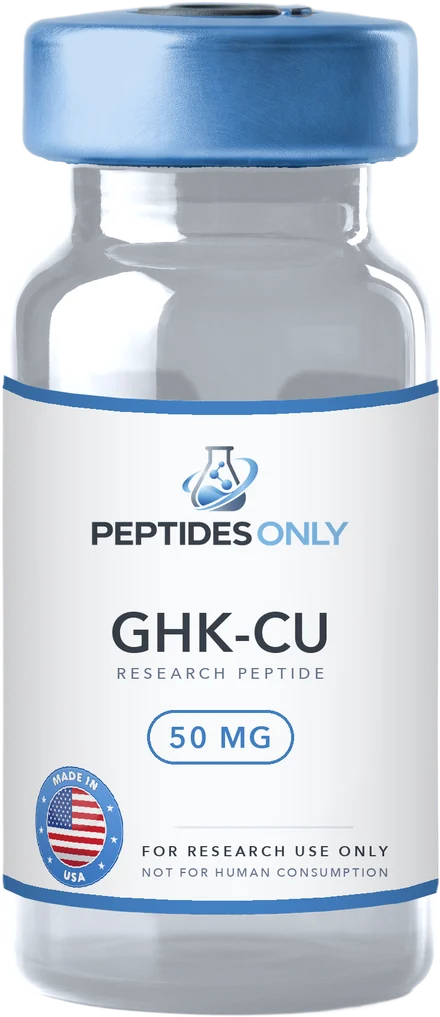
GHK-Cu
Copper-binding tripeptide used in collagen and skin-matrix research.
KPV
Alpha-MSH derived tripeptide studied in inflammation research.
BPC-157
Stable gastric pentadecapeptide, a staple of tissue-repair research.
TB-500
Thymosin beta-4 fragment studied for cell migration and repair.