
KPV vs BPC-157: How the Research Compares
KPV and BPC-157 are unrelated peptides whose research overlaps mainly in one area: rodent models of intestinal inflammation. KPV is the three-residue C-terminal fragment of alpha-MSH, studied chiefly as an inhibitor of inflammatory signaling in mouse colitis, while BPC-157 is a 15-residue gastric peptide studied more broadly for tissue repair, including the gut. Neither is an approved drug, and neither has controlled human trial data.
What are KPV and BPC-157?
KPV is the tripeptide Lys-Pro-Val, positions 11 to 13 of the 13-residue hormone alpha-melanocyte-stimulating hormone (alpha-MSH). It was singled out because it keeps alpha-MSH's anti-inflammatory activity in experimental models while lacking the hormone's pigmentary effect1.
BPC-157 is a 15-residue peptide, GEPPPGKPADDAGLV, that is a partial sequence of a protein in human gastric juice. It was described as stable in gastric juice and has been studied across gastrointestinal, tendon, ligament and vascular models2.
The two are often grouped because both are discussed in gut research, and they appear together in the four-peptide KLOW Blend. Structurally they have nothing in common.
KPV vs BPC-157 at a glance
The table summarizes the comparison. The evidence behind each row is cited in the sections that follow.
| KPV | BPC-157 | |
|---|---|---|
| Origin | C-terminal tripeptide (residues 11-13) of alpha-MSH | Partial sequence of a protein isolated from human gastric juice |
| Size | 3 residues; about 342 Da | 15 residues; about 1419 Da |
| Proposed mechanism | Inhibits NF-κB and MAP kinase signaling; largely independent of melanocortin receptors; enters cells via PepT1 | Nitric oxide system, VEGFR2-Akt-eNOS and FAK-paxillin signaling; no single receptor established |
| Main gut models | DSS, TNBS and T-cell transfer colitis in mice | Cysteamine and ischemic colitis, anastomosis and fistula models in rats |
| Other models | Corneal wounds in rabbits; human airway epithelial cells | Tendon, ligament and muscle injury in rats; endothelial cells |
| Human data | None found in PubMed | Three small uncontrolled studies, very low certainty |
| Regulatory status | Not an approved drug; not named on the WADA 2026 list | Not an approved drug; named in WADA 2026 class S0 |
How each is thought to act
KPV is small enough to be carried into cells by PepT1, a di- and tripeptide transporter that is induced in the colon during inflammation. Inside human intestinal epithelial cells and T cells, nanomolar KPV inhibited NF-κB and MAP kinase signaling and reduced pro-inflammatory cytokine secretion3. Unlike alpha-MSH, it appears to work largely without melanocortin receptors: its effects persisted in mice with a nonfunctional MC1 receptor and were not blocked by an MC3/MC4 antagonist4,5.
BPC-157 is studied less as an anti-inflammatory signal blocker and more as a cytoprotective and pro-angiogenic agent. The originating group links many of its effects to the nitric oxide system2, and an independent group showed that it increases VEGFR2 expression and activates VEGFR2-Akt-eNOS signaling in endothelial cells and ischemic rat muscle6. In short, KPV research focuses on inflammatory signaling inside epithelial and immune cells, while BPC-157 research focuses on blood vessels and tissue repair.
What the colitis research shows
In mice, KPV given in drinking water reduced DSS- and TNBS-induced colitis3, and in DSS and T-cell transfer colitis it was associated with faster weight recovery and less inflammatory infiltrate5. Delivery work followed: nanoparticles in an alginate-chitosan hydrogel produced similar effects at a concentration roughly 12,000-fold lower than free KPV7.
BPC-157's gut work comes mainly from the Zagreb group. In rats, the group reported healing of cysteamine-induced colitis and colon-to-colon anastomoses with BPC-157 given intraperitoneally or in drinking water8, and in an ischemic colitis model a local bath of BPC-157 rapidly restored vessel presentation through a mechanism the authors tied to the nitric oxide system9.
No study has compared KPV and BPC-157 in the same colitis model, so claims that one is stronger than the other have no direct experimental basis.
Beyond the gut
KPV's non-intestinal work is limited. Topical KPV accelerated corneal epithelial wound closure in rabbits through a mechanism that appeared to involve nitric oxide10, and in human bronchial epithelial cells it interfered with nuclear import of the NF-κB subunit p6511.
BPC-157's non-intestinal work is extensive, especially in connective tissue. In rats with transected Achilles tendons it was associated with higher load to failure and better functional recovery than controls12, and reviews describe consistently positive results across rodent tendon, ligament and muscle models13. Researchers whose question is tendon or ligament repair will find far more BPC-157 data; those studying epithelial inflammatory signaling will find KPV's mechanism better characterized.
Limitations of the evidence
For KPV, we found no human trial indexed in PubMed, and much of the colitis evidence comes from one research group and from engineered delivery systems3,7. For BPC-157, a 2026 systematic review found three human studies with 30 participants in total, all uncontrolled and rated very low certainty14, and most animal work comes from a handful of groups13. Even the area the two share is not directly comparable: the KPV studies used mice with chemical or T-cell transfer colitis, while the BPC-157 gut studies used rats with cysteamine colitis, ischemia or surgical injury. Both peptides need independent replication and controlled studies before firm conclusions are possible.
Any comparison also depends on knowing what is in the vial. Every Peptides Only lot ships with a lot-matched certificate of analysis (HPLC purity and mass-spec identity) from an independent lab, published in the COA library.
Frequently asked questions
Is KPV the same as BPC-157?
No. KPV is a three-residue fragment of alpha-MSH1; BPC-157 is a 15-residue peptide derived from a gastric juice protein2. They share no sequence or proposed mechanism.
Which is better studied in gut inflammation?
Both have rodent colitis data. KPV's work is narrower and mechanistically focused, centered on PepT1 uptake and NF-κB signaling in mouse models3,5. BPC-157's is broader, covering many gastrointestinal lesion models in rats2. There is no head-to-head study.
Why does PepT1 matter in KPV research?
PepT1 is a di- and tripeptide transporter that is normally expressed in the small intestine and is induced in the colon during inflammatory bowel disease3. Because KPV is carried into cells by PepT1, its uptake is expected to rise where the colon is inflamed. In a mouse model of colitis-associated cancer, KPV prevented tumor development in wild-type mice but had no effect in mice lacking PepT115. No comparable uptake mechanism has been described for BPC-157.
Have KPV and BPC-157 been studied together?
We found no published study that tests KPV and BPC-157 together. They are combined with GHK-Cu and TB-500 in the KLOW Blend, which has no published study of its own; the GLOW vs KLOW vs Wolverine article covers those blends.
Are KPV and BPC-157 approved by the FDA?
Neither is an approved drug; BPC-157 lacks regulatory approval for human use14, and we found no human trials of KPV. BPC-157 is named in class S0 of the World Anti-Doping Agency's 2026 Prohibited List. KPV is not named, although S0 covers any pharmacological substance without government approval for human therapeutic use.
References
- Brzoska T, Luger TA, et al. Alpha-melanocyte-stimulating hormone and related tripeptides: biochemistry, antiinflammatory and protective effects in vitro and in vivo, and future perspectives for the treatment of immune-mediated inflammatory diseases. Endocr Rev. 2008;29(5):581-602. PubMed 18612139
- Sikiric P, Seiwerth S, et al. Stable gastric pentadecapeptide BPC 157: novel therapy in gastrointestinal tract. Curr Pharm Des. 2011;17(16):1612-32. PubMed 21548867
- Dalmasso G, Charrier-Hisamuddin L, et al. PepT1-mediated tripeptide KPV uptake reduces intestinal inflammation. Gastroenterology. 2008;134(1):166-78. PubMed 18061177
- Getting SJ, Schiöth HB, et al. Dissection of the anti-inflammatory effect of the core and C-terminal (KPV) alpha-melanocyte-stimulating hormone peptides. J Pharmacol Exp Ther. 2003;306(2):631-7. PubMed 12750433
- Kannengiesser K, Maaser C, et al. Melanocortin-derived tripeptide KPV has anti-inflammatory potential in murine models of inflammatory bowel disease. Inflamm Bowel Dis. 2008;14(3):324-31. PubMed 18092346
- Hsieh MJ, Liu HT, et al. Therapeutic potential of pro-angiogenic BPC157 is associated with VEGFR2 activation and up-regulation. J Mol Med (Berl). 2017;95(3):323-333. PubMed 27847966
- Laroui H, Dalmasso G, et al. Drug-loaded nanoparticles targeted to the colon with polysaccharide hydrogel reduce colitis in a mouse model. Gastroenterology. 2010;138(3):843-53.e1-2. PubMed 19909746
- Klicek R, Kolenc D, et al. Stable gastric pentadecapeptide BPC 157 heals cysteamine-colitis and colon-colon-anastomosis and counteracts cuprizone brain injuries and motor disability. J Physiol Pharmacol. 2013;64(5):597-612. PubMed 24304574
- Duzel A, Vlainic J, et al. Stable gastric pentadecapeptide BPC 157 in the treatment of colitis and ischemia and reperfusion in rats: New insights. World J Gastroenterol. 2017;23(48):8465-8488. PubMed 29358856
- Bonfiglio V, Camillieri G, et al. Effects of the COOH-terminal tripeptide alpha-MSH(11-13) on corneal epithelial wound healing: role of nitric oxide. Exp Eye Res. 2006;83(6):1366-72. PubMed 16965771
- Land SC. Inhibition of cellular and systemic inflammation cues in human bronchial epithelial cells by melanocortin-related peptides: mechanism of KPV action and a role for MC3R agonists. Int J Physiol Pathophysiol Pharmacol. 2012;4(2):59-73. PubMed 22837805
- Staresinic M, Sebecic B, et al. Gastric pentadecapeptide BPC 157 accelerates healing of transected rat Achilles tendon and in vitro stimulates tendocytes growth. J Orthop Res. 2003;21(6):976-83. PubMed 14554208
- Gwyer D, Wragg NM, et al. Gastric pentadecapeptide body protection compound BPC 157 and its role in accelerating musculoskeletal soft tissue healing. Cell Tissue Res. 2019;377(2):153-159. PubMed 30915550
- Poolton JT, Minett J, et al. Human evidence for BPC-157 in orthopaedic and regenerative medicine: a systematic review of efficacy and safety. Acta Orthop Belg. 2026;92(3). PubMed 42885452
- Viennois E, Ingersoll SA, et al. Critical role of PepT1 in promoting colitis-associated cancer and therapeutic benefits of the anti-inflammatory PepT1-mediated tripeptide KPV in a murine model. Cell Mol Gastroenterol Hepatol. 2016;2(3):340-357. PubMed 27458604
Compounds discussed
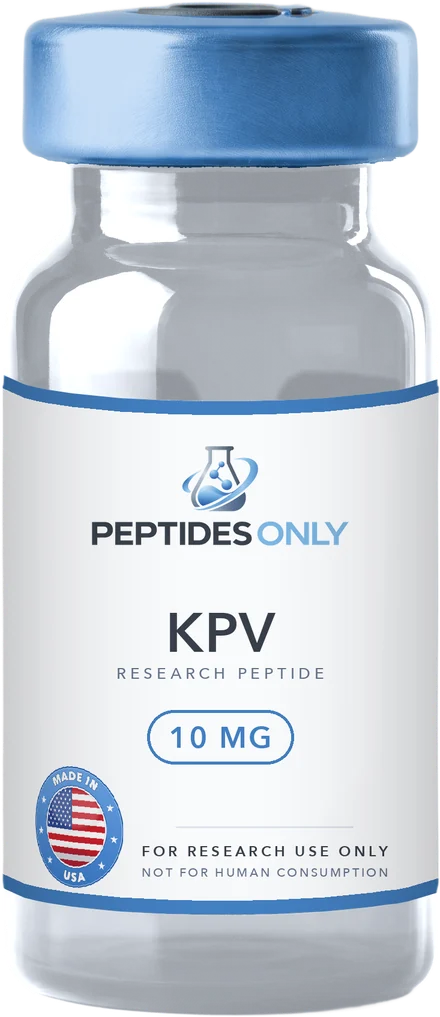
KPV
Alpha-MSH derived tripeptide studied in inflammation research.
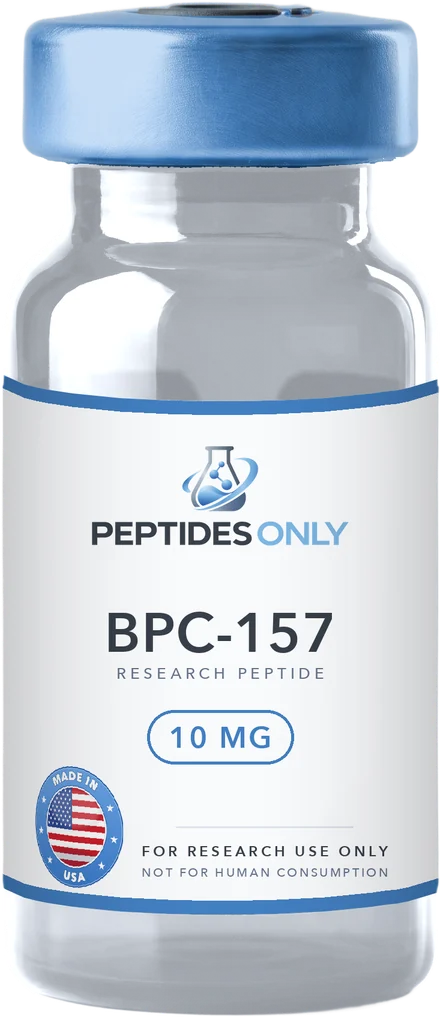
BPC-157
Stable gastric pentadecapeptide, a staple of tissue-repair research.
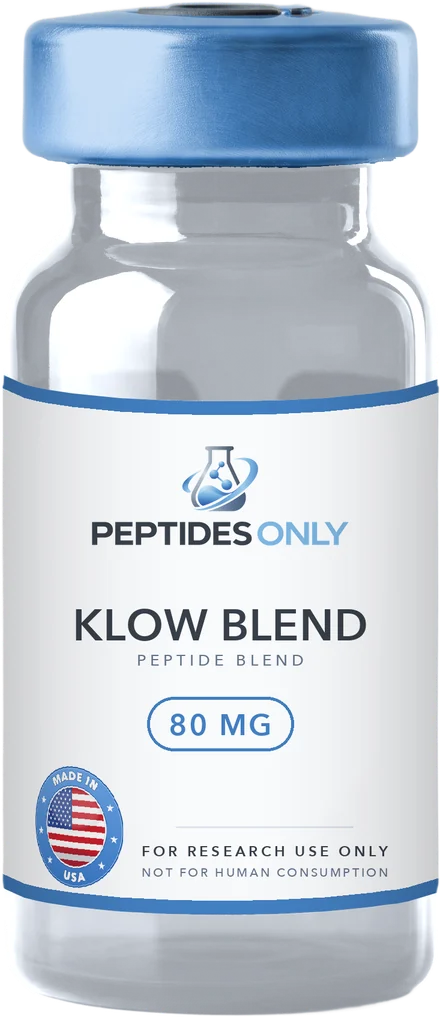
KLOW Blend
Four-peptide blend of GHK-Cu, KPV, BPC-157 and TB-500.
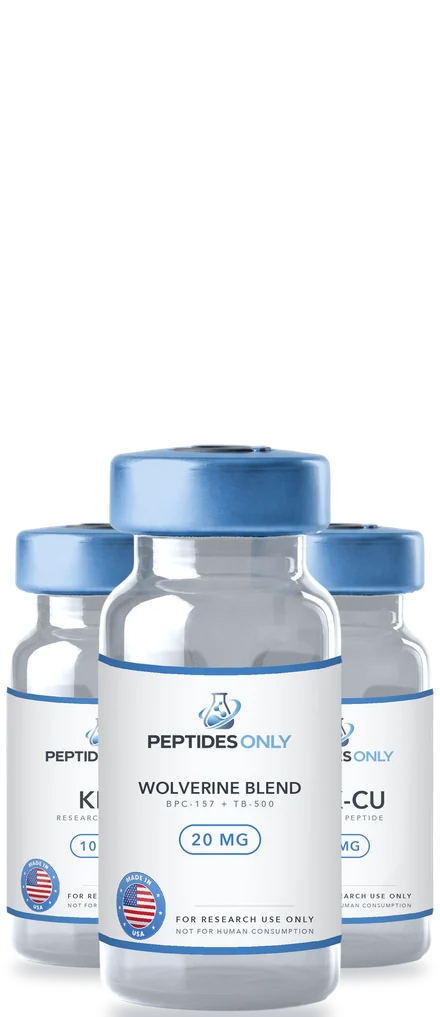
Wolverine Blend / KPV / GHK-Cu Set
Wolverine Blend 20 mg, KPV 10 mg and GHK-Cu 50 mg, supplied together.
- Wolverine Blend20 mg
- KPV10 mg
- GHK-Cu50 mg