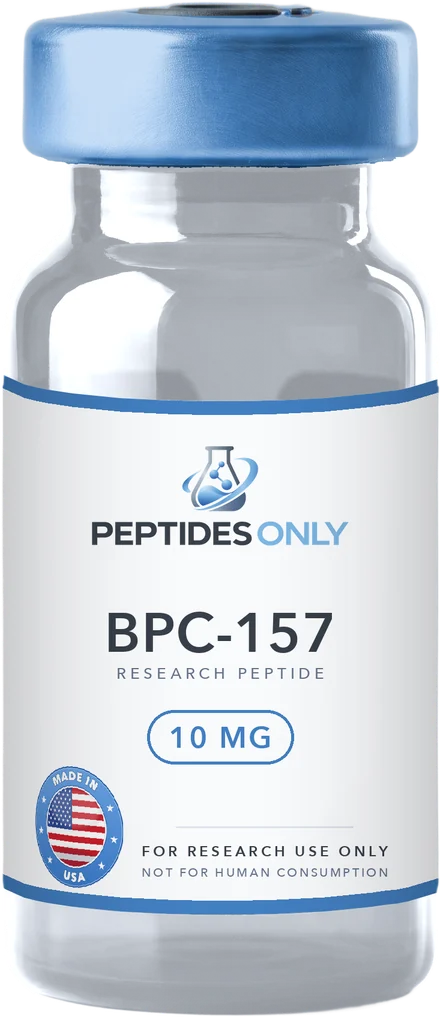
Lyophilized vial
BPC-157
Stable gastric pentadecapeptide, a staple of tissue-repair research.
$85.00
2 for $85 · $42.50/vial

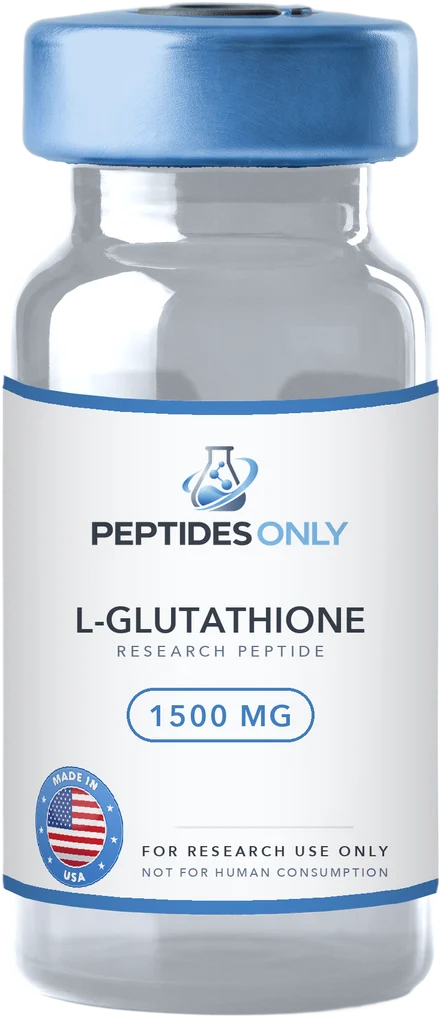
Master tripeptide antioxidant for oxidative-stress studies.
The certificate for the current lot is being uploaded. Every order ships with the COA for its lot, or request it now.
Master tripeptide antioxidant for oxidative-stress studies.
1500 mg per vial, as a lyophilized powder in a sealed glass vial with a crimped cap. The lot number on the label matches the certificate of analysis in the COA library.
Store lyophilized powder frozen (−20 °C) or refrigerated, sealed and away from light. Once reconstituted, keep refrigerated (2–8 °C).
Handle in a laboratory setting using appropriate protective equipment. Consult the certificate of analysis and safety data for lot-specific information.
L-Glutathione (GSH) is a tripeptide of glutamate, cysteine and glycine (γ-Glu-Cys-Gly) and the most abundant low-molecular-weight thiol that cells make1. Its cysteine thiol lets it reduce oxidants and conjugate electrophiles, and the balance between reduced glutathione and its oxidized form, glutathione disulfide (GSSG), is studied as a key indicator of a cell's redox environment1,2. Peptides Only supplies L-glutathione as a lyophilized research reagent for oxidative-stress and redox studies.
Glutathione is a tripeptide with an unusual bond: its glutamate is joined to cysteine through the side-chain (γ) carboxyl group rather than the usual α-carboxyl. The reactive part of the molecule is the free thiol (–SH) of the cysteine residue.
It is the most abundant non-protein thiol in mammalian tissues, and it is built by enzymes in the cytosol rather than translated from messenger RNA: first glutamate-cysteine ligase (GCL), the rate-limiting enzyme, then glutathione synthetase. Cysteine supply and GCL activity largely set how much is made, and the genes involved are regulated by the transcription factors Nrf2, AP-1 and NF-κB3.
Glutathione's best-studied role is protection against oxidative damage. It reduces oxidants such as hydrogen peroxide and lipid hydroperoxides, largely as the cofactor of glutathione peroxidases, and conjugates electrophilic compounds through glutathione S-transferases1,4. In the process, two GSH molecules are oxidized to one molecule of GSSG.
Because GSSG/2GSH is the most abundant redox couple in the cell, Schafer and Buettner proposed its half-cell reduction potential, calculated with the Nernst equation, as a quantitative measure of the cellular redox environment. In their estimates it became less negative from proliferating (about −240 mV) to differentiating (about −200 mV) to apoptotic cells (about −170 mV)2.
Glutathione also acts directly on proteins. In S-glutathionylation it is attached to protein cysteine residues, a modification promoted by oxidative or nitrosative stress but also present in unstressed cells, which can regulate protein function and protect thiols from irreversible oxidation5. Reviews now describe glutathione as a redox-signaling molecule as well as an antioxidant, with roles studied in autophagy, nitroxidative stress and viral infection6.
Mitochondria are a major source of reactive oxygen species, and their glutathione pool is described as their main line of antioxidant defense4. Glutathione is made only in the cytosol, and how it entered mitochondria was unknown until 2021, when Wang and colleagues identified the carrier SLC25A39 as necessary for its import. Losing SLC25A39 lowered mitochondrial glutathione without changing whole-cell levels, and mitochondrial import was required for cell proliferation in culture and for red blood cell development in mice7.
This is where glutathione meets the mitochondrial research compounds MOTS-c and SS-31; the Thymosin Alpha-1 / L-Glutathione / MOTS-c set supplies it alongside MOTS-c.
Glutathione is also central to ferroptosis, a form of non-apoptotic cell death. Screening 12 ferroptosis-inducing small molecules in cancer cell lines, Yang and colleagues found two routes to the same outcome: one class of compounds depleted glutathione, which inactivated glutathione peroxidases, while a second class inhibited the enzyme GPX4 directly. Raising or lowering GPX4 changed the lethality of all 12 ferroptosis inducers but not of 11 compounds that kill cells by other mechanisms8.
The human literature has mostly asked whether glutathione taken by mouth reaches the circulation, and the answers differ. In a 1992 study of seven healthy volunteers, plasma glutathione, cysteine and glutamate did not rise significantly over 270 minutes after a single oral administration; the authors attributed this to breakdown by γ-glutamyltransferase in the intestine and liver9. In a 2015 randomized, double-blind, placebo-controlled trial in 54 non-smoking adults, glutathione in whole blood, erythrocytes, plasma and lymphocytes rose over six months of daily oral intake, then returned to baseline after a one-month washout10. The two studies differ in design and duration, and their main outcomes were glutathione concentrations rather than health effects.
Because its thiol oxidizes readily, glutathione measurements depend on how samples are handled. In cultured cells, Giustarini and colleagues showed that artificial oxidation of GSH during processing inflates measured GSSG and S-glutathionylated proteins: without the thiol-blocking agent N-ethylmaleimide added immediately after removing the culture medium, basal GSSG read 3–5 times higher and S-glutathionylated proteins 10–20 times higher11.
Every Peptides Only lot ships from the USA with a lot-matched certificate of analysis from an independent lab, reporting HPLC purity and mass-spec identity; certificates are published in the COA library.
Yes. It is a tripeptide of glutamate, cysteine and glycine, though an unusual one: the glutamate is linked through its side-chain γ-carboxyl group, and cells assemble it with two enzymes, glutamate-cysteine ligase and glutathione synthetase3. Our overview of what research peptides are covers the wider category.
GSH is reduced glutathione, with a free cysteine thiol. When it reduces an oxidant, two GSH molecules are joined by a disulfide bond to form GSSG, oxidized glutathione. The ratio between them is used as an indicator of the cell's redox environment2.
Yes. L-glutathione, glutathione, reduced glutathione and GSH all name the same tripeptide; the L- indicates the natural configuration of its amino acids. Oxidized glutathione, GSSG, is a different molecule.
Like most lyophilized research compounds, the sealed powder is generally kept cold, dry and protected from light. Its free thiol is readily oxidized, as sample-handling studies show11. Our guide to peptide storage and stability covers the general principles.
No. It is sold strictly as a research reagent for laboratory use, not as a dietary supplement or a medicine. Identity and purity are documented on the lot-matched certificate of analysis; our guide on how to read a peptide COA explains each field.
Research summary reviewed 2026-10-26 against the cited literature.
Stable gastric pentadecapeptide, a staple of tissue-repair research.
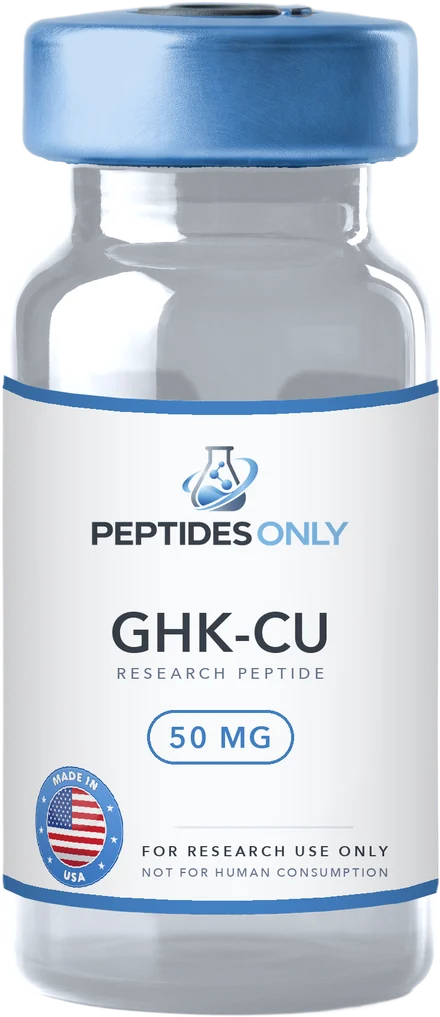
Copper-binding tripeptide used in collagen and skin-matrix research.
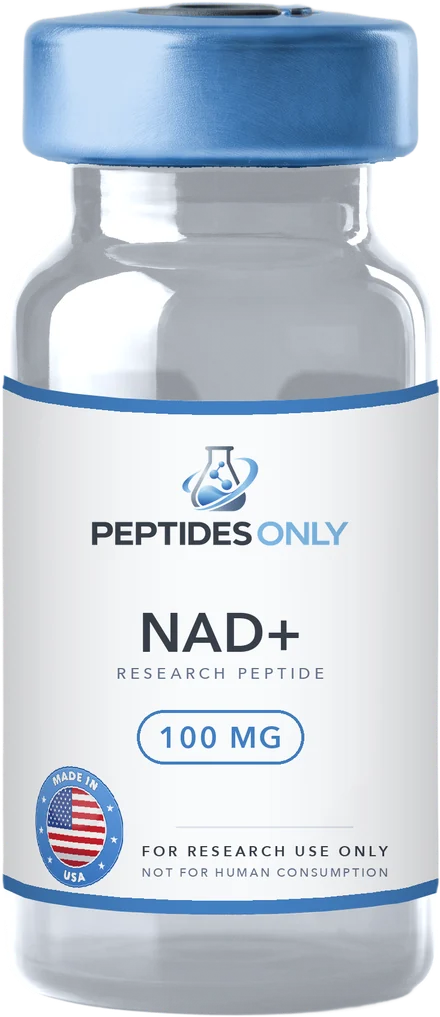
Essential coenzyme for studies of cellular metabolism and ageing.
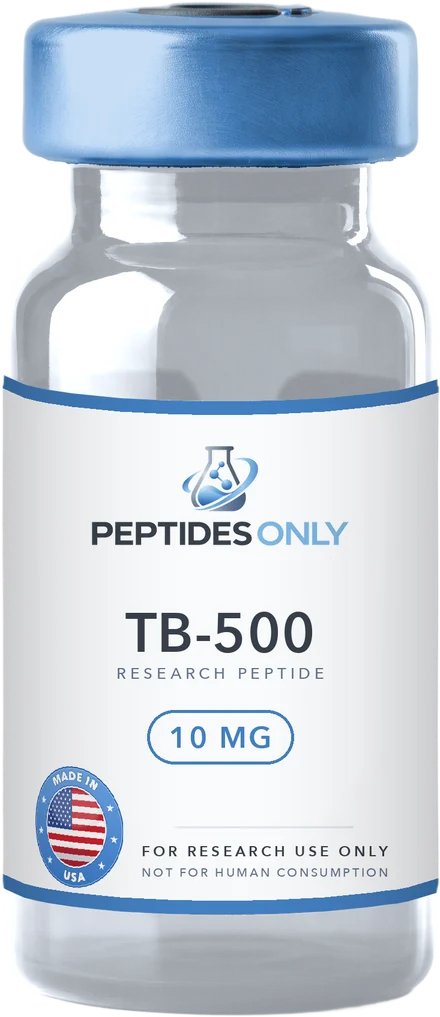
Thymosin beta-4 fragment studied for cell migration and repair.
Operated by DND Wellness LLC · 1309 Coffeen Ave, Suite 1200, Sheridan, WY 82801.
support@peptides-only.com · (508) 404-8124
Use the chat widget to ask a question. Informational and promotional text messages require separate, optional consent. Message frequency varies. Msg & data rates may apply. Reply STOP to unsubscribe or HELP for help. Consent is not a condition of purchase. 21+.
SMS consent & support · SMS terms & Terms of Service · Privacy Policy