For research use only. Not for human or veterinary use. 21+.
Buy one, get one freeOn every vial · no code neededShop the offer
MANUFACTURED & SHIPPED FROM THE USA
Peptides · Recovery & Repair

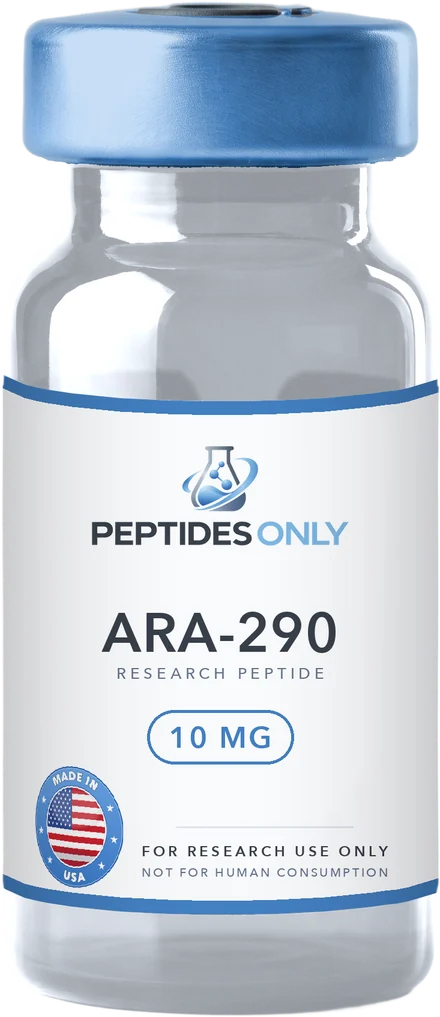
ARA-290

Third-party tested · COA with every order
CAS1208243-50-8FormulaC55H82N18O18MW1259.34

EPO-derived peptide studied at the innate repair receptor.

  • Independently tested
  • Lot-matched COA
  • Lyophilized for stability
  • Ships from the USA
Research use only. Not for human or veterinary use. Sold to qualified researchers aged 21+.
$85.002 for $85 — $42.50 per vial
Buy one, get one free. Mix and match any 2 eligible vials and the lower-priced one is free — applied automatically. One-time purchases only.
1
ARA-290$85.002 for $85
Lot-matched documentation. Every order ships with the certificate for its lot. If a vial arrives damaged or doesn't match its paperwork, tell us within 72 hours and we'll replace it.

Latest lab results

Third-party tested

The certificate for the current lot is being uploaded. Every order ships with the COA for its lot, or request it now.

About ARA-290

EPO-derived peptide studied at the innate repair receptor.

Supplied as

10 mg per vial, as a lyophilized powder in a sealed glass vial with a crimped cap. The lot number on the label matches the certificate of analysis in the COA library.

Storage and handling

Store lyophilized powder frozen (−20 °C) or refrigerated, sealed and away from light. Once reconstituted, keep refrigerated (2–8 °C).

Handle in a laboratory setting using appropriate protective equipment. Consult the certificate of analysis and safety data for lot-specific information.

Important research notice. This product is intended solely for in-vitro and laboratory research. It is not a drug, food, supplement or cosmetic, has not been evaluated by the FDA, and must not be used in humans or animals. Peptides Only does not provide usage or dosing information.

Research summary

ARA-290 (cibinetide) is an 11-amino-acid peptide modeled on the aqueous face of helix B of erythropoietin (EPO). It was designed to activate the proposed tissue-protective innate repair receptor, a complex of the EPO receptor and the beta common receptor (CD131), without stimulating red blood cell production, and it has been studied in animal models of nerve injury and in small human trials of small-fiber neuropathy.

Also known as
cibinetide · ARA 290 · ARA290 · pHBSP · pyroglutamate helix B surface peptide
Sequence
pGlu-Glu-Gln-Leu-Glu-Arg-Ala-Leu-Asn-Ser-Ser

What is ARA-290?

EPO has two jobs. It regulates red blood cell production through a homodimer of the EPO receptor, while locally produced EPO protects tissues from injury through a different complex of the EPO receptor and CD131, the beta common receptor1. In 2008, Brines, Cerami and colleagues showed that helix B of EPO carries tissue-protective activity, and that an 11-residue peptide built from the amino acids forming helix B's aqueous face was tissue protective in models of ischemic stroke and renal ischemia-reperfusion yet non-erythropoietic in vitro and in vivo1.

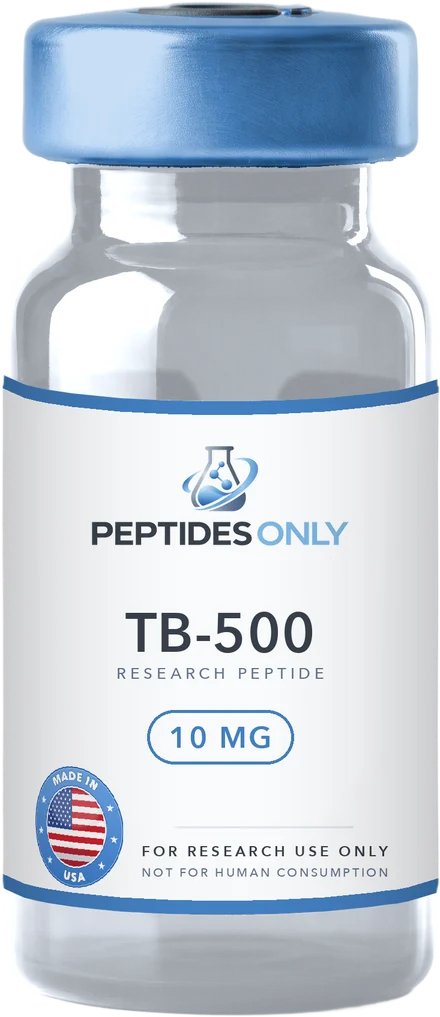
With an N-terminal pyroglutamate, that peptide is ARA-290, also called pyroglutamate helix B surface peptide (pHBSP) and, by its nonproprietary name, cibinetide. Its plasma half-life is only about two minutes, yet effects in animal models and trials have been long-lasting, which the developers attribute to a molecular switch triggered by receptor activation2. ARA-290 is often grouped with tissue-repair research peptides such as BPC-157 and TB-500, but its target is quite different.

The innate repair receptor and the debate around it

The developers call the EPOR/CD131 complex the innate repair receptor (IRR). In their account it is typically absent from normal tissue but rapidly induced by injury or inflammation, and EPO derivatives such as ARA-290 were developed to activate it selectively without engaging the EPOR homodimer that drives red cell production2.

The model is not settled. A 2018 biophysical study found that the extracellular regions of the EPO receptor and the beta common receptor did not specifically associate, with or without EPO or ARA-290, and described a direct EPOR/CD131 interaction as controversial3.

What animal studies have examined

  • Neuropathic pain: after peripheral nerve injury in rats, ARA-290 reduced tactile and cold allodynia for up to 15 weeks; it was active in wild-type mice but had no effect in mice lacking the beta common receptor4.
  • Wound repair: in mice with genetic diabetes, cibinetide was associated with better re-epithelialization, angiogenesis and wound breaking strength than vehicle5.
  • Tissue protection: the original study reported protection in models of ischemic stroke and renal ischemia-reperfusion, and faster wound closure1.

Human trials: research, not treatment

ARA-290 has been tested in several small, early-phase trials, mostly by the developer's group; none has led to an approval.

  • Sarcoidosis small-fiber neuropathy (pilot): 22 patients were randomized to intravenous ARA-290 or placebo for four weeks; no safety concerns were raised, and the ARA-290 group showed a significant change in small fiber neuropathy screening list score, while pain and fatigue scores changed similarly in both groups6.
  • Sarcoidosis (28-day trial): a blinded, placebo-controlled study reported changes in neuropathic symptom scores, an increase in corneal small nerve fiber density and a longer 6-minute walk distance7.
  • Sarcoidosis (phase 2b): in 64 subjects, the primary endpoint, change in corneal nerve fiber area at 28 days, reached significance in only one of three active arms, and pain changed in all groups including placebo8.
  • Type 2 diabetes with neuropathy (phase 2): a 28-day placebo-controlled study reported changes in HbA1c, lipid profiles and neuropathic symptom scores, with no safety issues identified9.
  • Diabetic macular edema (phase 2): among nine patients over 12 weeks there was no change in mean visual acuity or central retinal thickness10.

Limitations of the evidence

The human data are small (nine to 64 participants), short (four to 12 weeks) and largely produced by investigators connected to the developer, Araim Pharmaceuticals10. Several primary endpoints were negative or only partly met8,10, and the receptor model itself has been challenged3. Cibinetide has not been approved by the FDA for any use.

Research material should be identity-checked: every Peptides Only lot ships with a lot-matched certificate of analysis from an independent lab, published in the COA library, and our guide explains how to read a peptide COA.

ARA-290 FAQ

Is ARA-290 the same as cibinetide?

Yes. ARA-290, ARA 290, cibinetide and pHBSP all name the same 11-amino-acid peptide derived from the helix B surface of erythropoietin2.

What is the difference between ARA-290 and erythropoietin?

EPO is a glycoprotein hormone that drives red blood cell production through the EPO receptor homodimer. ARA-290 is an 11-residue peptide that was non-erythropoietic in vitro and in vivo1 and was designed to target the EPOR/CD131 complex instead2.

Is ARA-290 FDA-approved?

No. Cibinetide remains investigational; the published human studies are small phase 2 trials8,9. The research product is for laboratory use only.

Does ARA-290 raise red blood cell counts?

It was designed not to. In the original study neither helix B nor the 11-residue peptide was erythropoietic in vitro or in vivo1.

What models has ARA-290 been studied in?

Rodent models of nerve injury, stroke, renal ischemia and diabetic wound repair1,4,5, and small clinical trials in sarcoidosis-associated small-fiber neuropathy, type 2 diabetes and diabetic macular edema6,9,10.

References

  1. Brines M, Patel NS, et al. Nonerythropoietic, tissue-protective peptides derived from the tertiary structure of erythropoietin. Proc Natl Acad Sci U S A. 2008;105(31):10925-30. PubMed 18676614
  2. Collino M, Thiemermann C, et al. Flipping the molecular switch for innate protection and repair of tissues: Long-lasting effects of a non-erythropoietic small peptide engineered from erythropoietin. Pharmacol Ther. 2015;151:32-40. PubMed 25728128
  3. Cheung Tung Shing KS, Broughton SE, et al. EPO does not promote interaction between the erythropoietin and beta-common receptors. Sci Rep. 2018;8(1):12457. PubMed 30127368
  4. Swartjes M, Morariu A, et al. ARA290, a peptide derived from the tertiary structure of erythropoietin, produces long-term relief of neuropathic pain: an experimental study in rats and β-common receptor knockout mice. Anesthesiology. 2011;115(5):1084-92. PubMed 21873879
  5. Bitto A, Irrera N, et al. Activation of the EPOR-β common receptor complex by cibinetide ameliorates impaired wound healing in mice with genetic diabetes. Biochim Biophys Acta Mol Basis Dis. 2018;1864(2):632-639. PubMed 29223734
  6. Heij L, Niesters M, et al. Safety and efficacy of ARA 290 in sarcoidosis patients with symptoms of small fiber neuropathy: a randomized, double-blind pilot study. Mol Med. 2012;18(1):1430-6. PubMed 23168581
  7. Dahan A, Dunne A, et al. ARA 290 improves symptoms in patients with sarcoidosis-associated small nerve fiber loss and increases corneal nerve fiber density. Mol Med. 2013;19(1):334-45. PubMed 24136731
  8. Culver DA, Dahan A, et al. Cibinetide Improves Corneal Nerve Fiber Abundance in Patients With Sarcoidosis-Associated Small Nerve Fiber Loss and Neuropathic Pain. Invest Ophthalmol Vis Sci. 2017;58(6):BIO52-BIO60. PubMed 28475703
  9. Brines M, Dunne AN, et al. ARA 290, a nonerythropoietic peptide engineered from erythropoietin, improves metabolic control and neuropathic symptoms in patients with type 2 diabetes. Mol Med. 2015;20(1):658-66. PubMed 25387363
  10. Lois N, Gardner E, et al. A Phase 2 Clinical Trial on the Use of Cibinetide for the Treatment of Diabetic Macular Edema. J Clin Med. 2020;9(7):2225. PubMed 32674280

Research summary reviewed 2026-10-26 against the cited literature.

More Peptides

You might also need

View all
GHK-Cu 50 mg — Peptides Only, research use onlyBestsellerBuy One Get One
Lyophilized vial

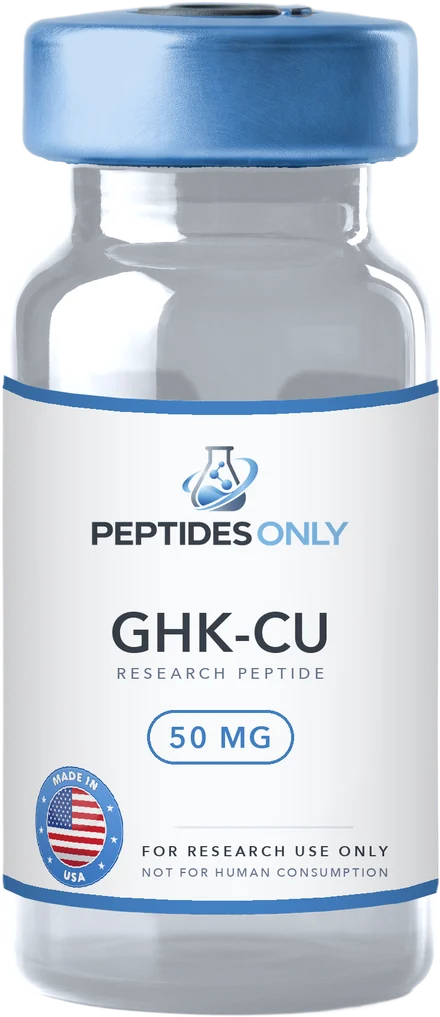
GHK-Cu

Copper-binding tripeptide used in collagen and skin-matrix research.
$50.00
2 for $50 · $25/vial
NAD+ 100 mg — Peptides Only, research use onlyBestsellerBuy One Get One
Lyophilized vial

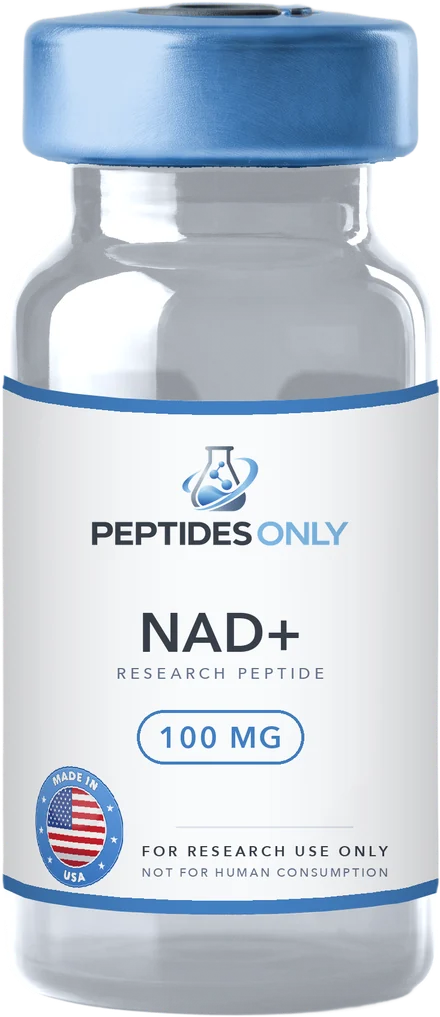
NAD+

Essential coenzyme for studies of cellular metabolism and ageing.
$50.00
2 for $50 · $25/vial

Contact Peptides Only

Operated by DND Wellness LLC · 1309 Coffeen Ave, Suite 1200, Sheridan, WY 82801.

support@peptides-only.com · (508) 404-8124

Use the chat widget to ask a question. Informational and promotional text messages require separate, optional consent. Message frequency varies. Msg & data rates may apply. Reply STOP to unsubscribe or HELP for help. Consent is not a condition of purchase. 21+.

SMS consent & support · SMS terms & Terms of Service · Privacy Policy